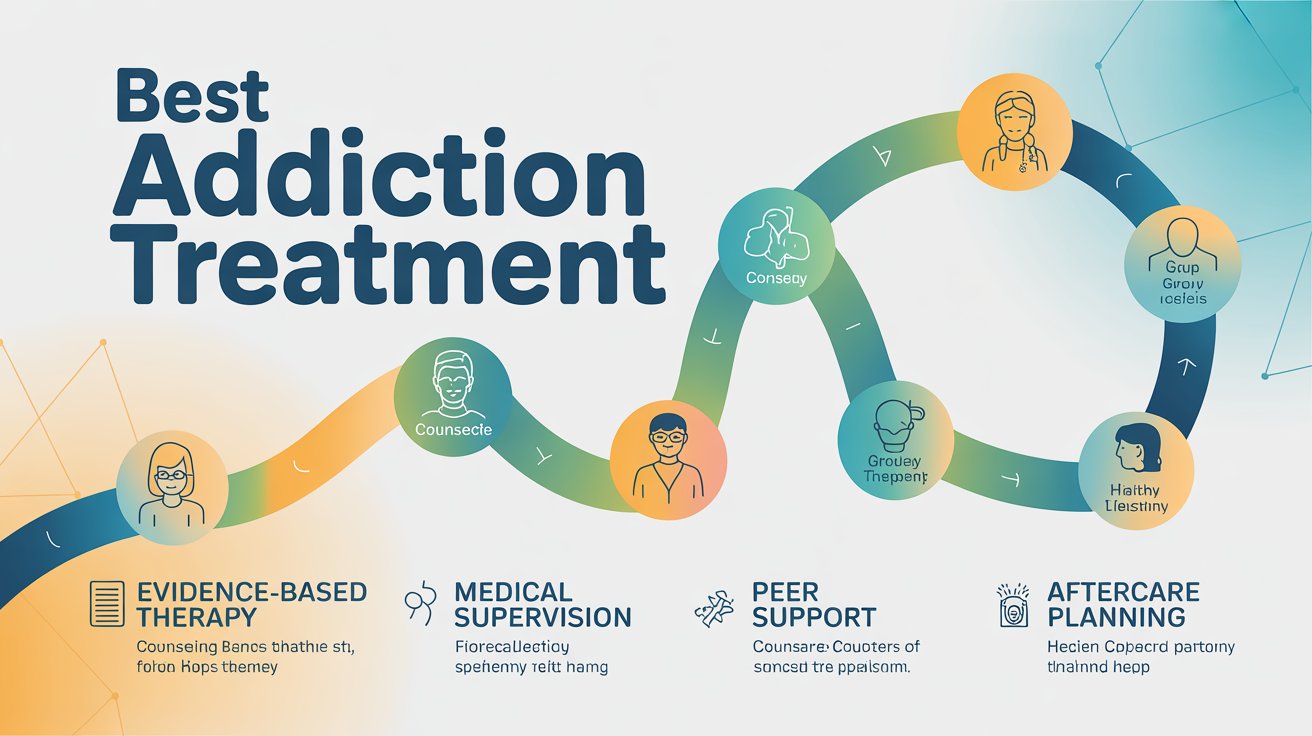
Addiction ruins lives, breaks families, and deprives people of their potential and future. For families in Lahore who are in dire need of a solution for their loved ones caught in the vicious cycle of substance abuse, the search for the best addiction treatment center in Lahore becomes a matter of utmost importance that can literally be a lifesaver. Effective addiction treatment is more than just keeping the addict away from substances it requires a holistic treatment approach that tackles physical, psychological, and social aspects of addiction simultaneously.
At Solace Rehab, we have earned the reputation of being the best addiction treatment center in Lahore, providing evidence-based treatment programs conducted by qualified professionals in a caring and culturally appropriate setting. Our holistic treatment approach provides the best possible foundation for a successful recovery experience. This complete recovery guide will walk you through the factors that make addiction treatment effective, the services that the best addiction treatment centers provide, and how to choose the best addiction treatment center for your family.
Comprehending Addiction as a Disease
Addiction is a chronic disease of the brain and not a character flaw or a lack of willpower that needs to be punished or stigmatized. Using drugs regularly alters the brain’s reward system and decision-making centers. The brain gets accustomed to the presence of drugs and becomes physically dependent on them to be able to function normally. Psychological dependence is an emotional need for drugs to deal with stress, anxiety, or other difficult emotions. Genetic predisposition also makes a person more vulnerable to addiction.
Why Professional Care Is Necessary
Trying to overcome addiction without professional assistance is rarely successful, even with the best of intentions and strong family support networks. Withdrawal from certain drugs such as alcohol and benzodiazepines can be fatal without professional care. Professional rehabilitation centers offer 24-hour care to ensure the addict’s safety during the potentially life-threatening withdrawal stages when complications can occur unexpectedly. Professional care also involves the treatment of underlying trauma, mental illness, and learned behavior patterns, not merely quitting the use of the substance. Controlled environments also ensure that the addict does not have access to the substance during the critical early stages of recovery when cravings are at their peak.
Comprehensive Assessment Process
Comprehensive assessment is necessary for effective treatment, as it involves understanding the individual situation, needs, and challenges of each patient. The medical assessment process involves the examination of the patient’s physical health status, the severity of substance use, the risk of withdrawal, and the presence of other medical conditions that need to be treated. The psychiatric assessment process involves the identification of mental health disorders such as depression and anxiety that need
to be treated at the same time as addiction. The addiction history process involves the examination of the type of drugs used, the length of time they have been used, and the family history of addiction.
Medical Detoxification Services
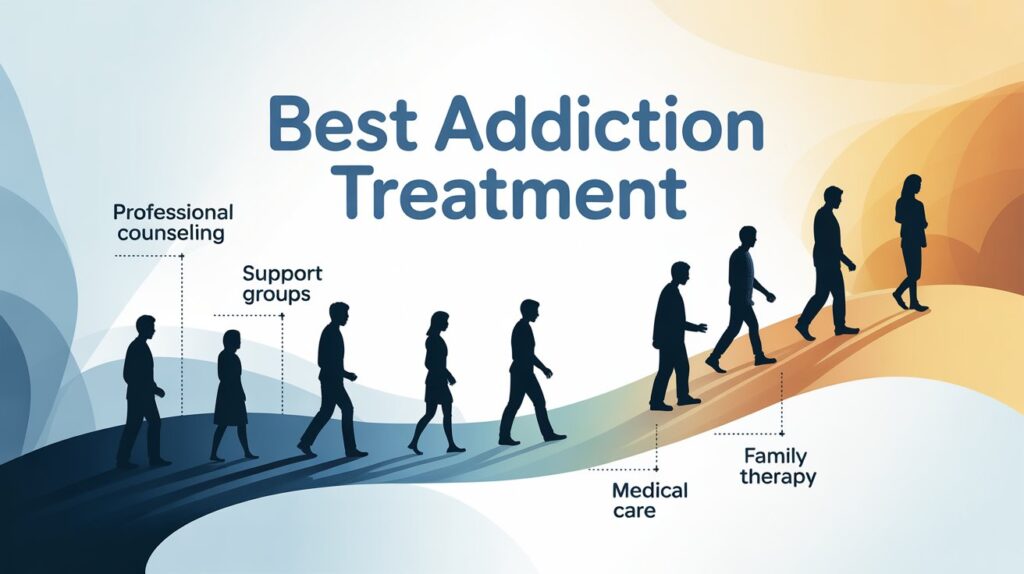
Detoxification is the process of managing withdrawal symptoms that occur when an individual stops using a substance after developing a physical dependence on it. Medical detoxification is important because it ensures the patient’s safety since severe complications may arise, which may need urgent attention. Medications are used to make withdrawal symptoms manageable, such as anti-nausea medications, sleep aids, and anti-anxiety medications, making withdrawal manageable instead of unbearable. Monitoring vital signs helps in detecting warning signs of severe complications that need emergency medical attention. Different substances require different methods; for example, opioid, alcohol, and benzodiazepine require different methods. Professional detoxification takes between 5-14 days.
Evidence-Based Behavioral Therapies
Psychological interventions comprise the central part of rehabilitation, dealing with patterns of thought and behavior that support addiction despite the destructive consequences. Cognitive-behavioral therapy (CBT) assists clients in identifying triggers, disputing irrational thinking, and learning effective ways of coping with cravings. Motivational interviewing assesses ambivalence about change, enhancing internal motivation for recovery rather than relying on external pressure from family members. Dialectical behavior therapy (DBT) focuses on training clients in skills of emotion regulation, distress tolerance, interpersonal effectiveness, and mindfulness that are essential for maintaining sobriety. Group therapy fosters communities that alleviate feelings of loneliness while establishing peer accountability. Individual therapy offers private sessions for examining individual trauma and issues.
Dual Diagnosis Treatment Expertise
The majority of patients seeking addiction treatment also have mental health issues that need to be treated simultaneously. Depression and addiction often co-occur, as each condition can exacerbate the other in a vicious cycle. Anxiety disorders may have contributed to addiction as patients may have used drugs or alcohol to alleviate uncomfortable feelings. Post-traumatic stress disorder (PTSD) from trauma often leads to addiction as patients seek relief from symptoms. Manic or depressive episodes in bipolar disorder may include substance use as a result of the mood swings. The top addiction treatment center in Lahore offers psychiatric assessment, medications, and therapies for treating both conditions simultaneously.
Family Involvement Programs
Addiction affects the whole family system, not just the addict. Educational classes inform family members about addiction as a disease, reducing stigma and increasing understanding. Communication classes help improve relationships that have been damaged by the lies, broken promises, and broken trust that addiction has caused. Families learn how to recognize enabling behaviors that contribute to the addiction. Providing healthy boundaries and loving support creates a successful environment for recovery to grow. Family therapy sessions are held where family members can express their pain and rebuild relationships that have been damaged.
Holistic Wellness Strategies
Recovery involves rebuilding wellness in all areas of life, not merely abstaining from substance use. Healthy meals counteract malnutrition that occurs in active addiction, giving the body energy to heal and produce neurotransmitters. Exercise regimens build the body while also releasing the body’s natural endorphins, which boost mood and decrease cravings. Yoga and meditation practices decrease stress levels, improve body and mind awareness, and serve as healthy coping strategies. Art and music therapies allow the expression of emotions that are difficult to put into words. Spiritual practices for those who find value in them serve as a source of meaning and connection in recovery.
Relapse Prevention Strategies
Relapse is a challenge in recovery, not a failure, and requires certain skills and planning for effective management. Recognizing personal triggers of people, places, emotions, and situations linked to past drug use can help in managing triggers. Warning signs of relapse include romanticizing past drug use, withdrawing from support networks, or halting recovery activities. Creating personal “coping toolboxes” with several strategies for managing different types of triggers is critical to success. High-risk situation management prepares patients for the challenges that are bound to come after leaving a structured treatment setting.
Aftercare Planning Services
The recovery process does not end after leaving a residential treatment program. A comprehensive aftercare plan is needed. Outpatient counseling services give the patient professional help while they apply skills learned in real-life situations. Support groups allow the patient to connect with others who have experienced addiction firsthand. Case management services can assist with issues such as finding employment, education, or a stable housing situation. Family continuing care keeps the family involved beyond the initial treatment and addresses issues as they develop. An alumni program builds a lifelong recovery community. This comprehensive aftercare system greatly increases the success rate over standard treatment.
Cultural Sensitivity in Treatment
Addiction treatment in Pakistan must be sensitive to Islamic values and cultural norms while being evidence-based. Gender-separate facilities respect cultural norms about modesty and male-female interaction. Staff members who speak Urdu and Punjabi languages communicate effectively without language being a barrier to treatment. Prayer rooms and halal food facilities respect Islamic practices that are important to the vast majority of patients in Pakistan. Treatment modalities are adapted to Pakistani family systems rather than trying to fit patients into Western individualism. Confidentiality is given particular attention because of the strong social stigma against addiction in Pakistani culture.
Residential vs. Outpatient Options
Various levels of care are suitable for various needs, levels of addiction, and individual situations that demand flexibility in treatment programs. Residential programs involve 24/7 care in a controlled setting that isolates patients from addictive stimuli and drugs. The average stay in a residential program is 30-90 days depending on the level of addiction and completion of treatment levels. Intensive outpatient programs (IOP) involve several hours of treatment per week for several days a week for patients requiring structure. Outpatient treatment involves weekly therapy sessions and occasional psychiatric sessions for medication adjustment. The “best” addiction treatment center in Lahore has various levels of care to appropriately assign patients.
Staff Qualifications and Expertise
The quality of treatment is largely contingent on the staff’s level of expertise, experience, and genuine concern for patients’ well-being and recovery. The presence of board-certified psychiatrists with specializations in addiction medicine ensures expert medical direction and pharmacological management. Licensed clinical psychologists are equipped with evidence-based modalities for treating the psychological components of addiction and mental health issues. Certified addiction counselors with established credentials assist patients in navigating recovery with empathy and understanding. Experienced nurses with extensive training are available for 24-hour medical support and monitoring during the detoxification and residential phases of treatment. Continuing education ensures that staff members are updated on the latest research and treatment modalities.
Why Choose Solace Rehab
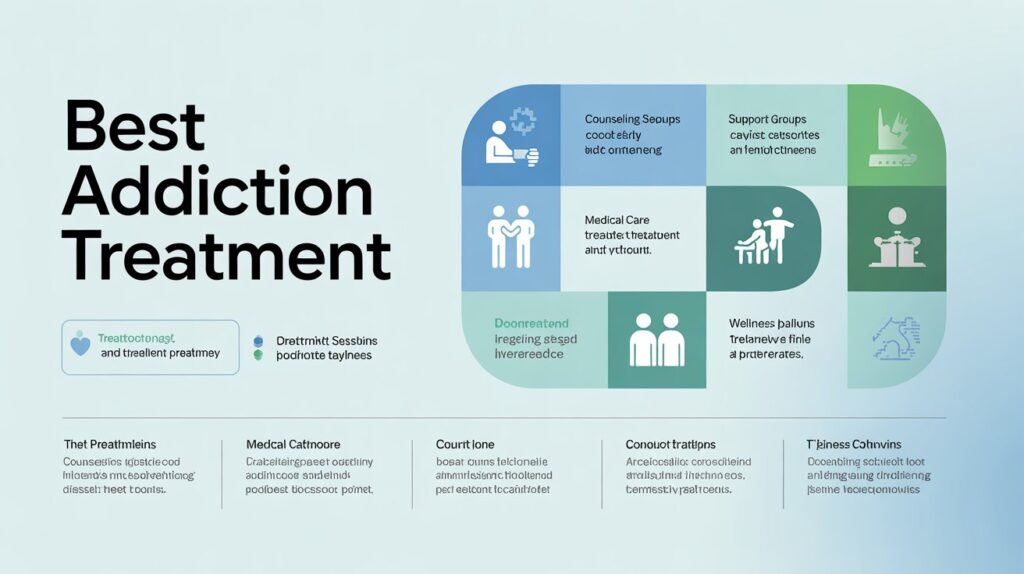
In the list of addiction rehabilitation centers in Lahore, Solace Rehab stands apart for its high standard of care quality and effective recovery results. At Solace Rehab, our team of experts has a cumulative experience of several decades in addiction and dual diagnosis mental health treatment. Our residential facilities are designed to offer a comfortable setting where patients can solely concentrate on their recovery without any external distractions. Our therapy approaches are designed to blend the best international practices with cultural adaptability suitable for Pakistani families. Each patient’s customized treatment program is tailored to address their individual requirements, addiction, and personal situations.
Conclusion
Identifying the most suitable addiction recovery center in Lahore is the most important initial step in overcoming the destructive hold of addiction on one’s life and loved ones. At Solace Rehab, we offer full-spectrum, evidence-based addiction treatment that encompasses all dimensions of addiction and dual diagnosis mental health issues through our individualized treatment programs conducted by qualified professionals. Our medical detoxification, psychotherapeutic interventions, family therapy, holistic modalities, and comprehensive aftercare strategies offer the most conducive environment for sustained recovery and personal change. Right from the point of admission to years later, we are with you every step of the way in your recovery journey with the utmost professionalism and compassion. If you or a loved one are struggling with addiction, call Solace Rehab today and start your journey of recovery and rediscovery.
Frequently Asked Questions
Q1: What sets Solace Rehab apart as the most effective addiction treatment facility in Lahore? Solace Rehab offers board-certified medical professionals, evidence-based treatments, customized treatment plans, full-service care from detox to aftercare, cultural competence, and a proven track record of successful outcomes, setting us apart from other rehab facilities.
Q2: How long does addiction treatment take? The length of treatment depends on the individual’s needs and level of addiction, usually taking anywhere from 30-90 days in a residential setting, followed by several months of intensive outpatient treatment and support group attendance for the best possible long-term outcome.
Q3: Is addiction treatment confidential? Yes, we adhere to the strictest patient confidentiality as a medical standard, ensuring that all information is kept entirely confidential except in extreme circumstances where there is potential harm, allowing patients to come to us without fear of social repercussions.
Q4: How can family members be included in the treatment process? Yes, family members can definitely be included in the treatment process through visits, family therapy sessions, educational sessions for the family about addiction, and preparation of the family for continued care.
Q5: What kind of aftercare is provided after residential treatment? We provide our patients with a comprehensive aftercare plan that includes outpatient therapy, connection with support groups, case management, involvement in our alumni program, and much more.