
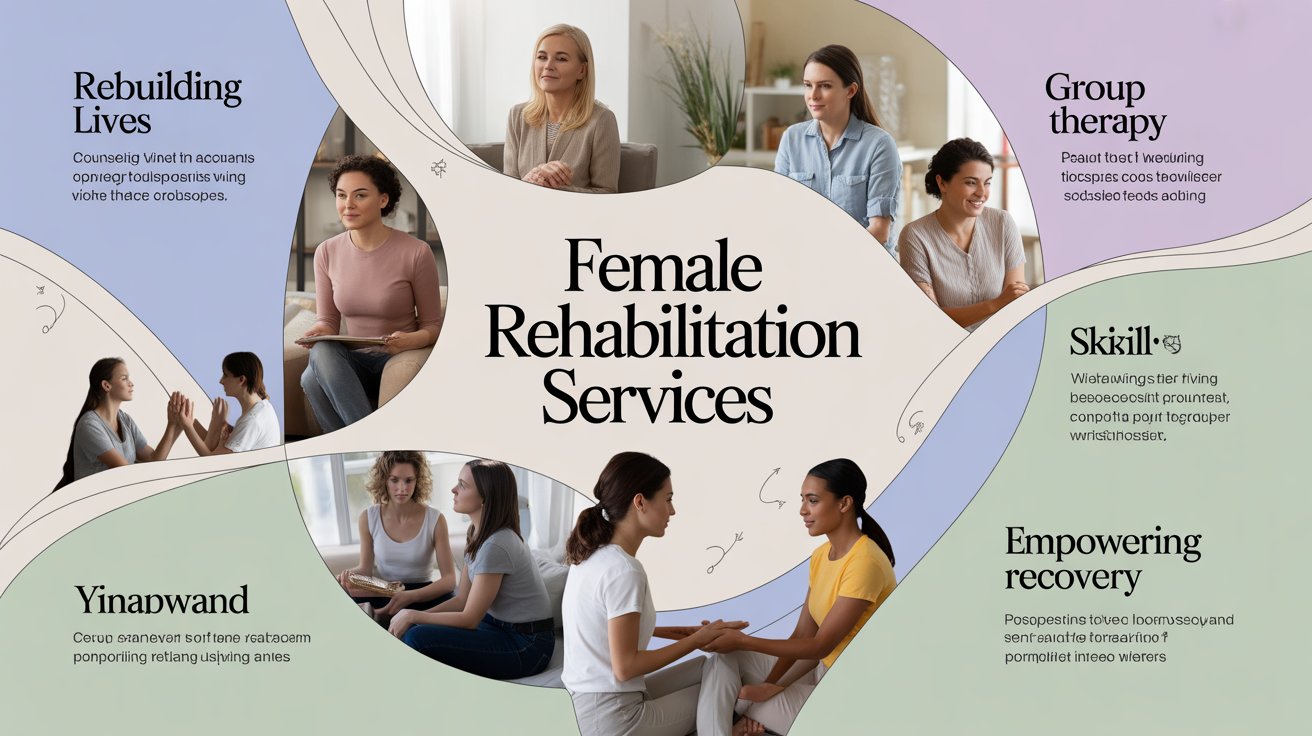
Women struggling with addiction face unique challenges that require specialized, gender-specific treatment approaches. Finding quality female rehabilitation services Lahore becomes crucial for women seeking recovery in an environment that understands their specific needs, experiences, and cultural considerations. Women’s addiction often stems from different causes than men’s, requires different therapeutic approaches, and benefits significantly from treatment in women-only settings where they can address sensitive issues comfortably.
Solace Rehab provides comprehensive female rehabilitation services combining medical expertise with compassionate, culturally sensitive care in safe, women-only environments. Our specialized programs address the physical, psychological, and social dimensions of women’s addiction while respecting Pakistani cultural values and family dynamics. This guide explores why gender-specific treatment matters, unique challenges women face, services available, and how Solace Rehab creates optimal conditions for women’s lasting recovery and personal transformation.
Understanding Women’s Addiction Differences
Women experience addiction differently than men due to biological, psychological, and social factors requiring specialized understanding. Hormonal fluctuations throughout menstrual cycles, pregnancy, and menopause affect substance metabolism and addiction vulnerability significantly. Women typically develop addiction faster than men a phenomenon called “telescoping” progressing from first use to dependency more rapidly. Smaller body size and different body composition mean substances affect women more intensely at lower doses. Co-occurring mental health disorders like depression, anxiety, and PTSD occur at higher rates among women with addiction. Social stigma affects women more severely, often preventing them from seeking help due to shame and judgment fears.
Trauma-Informed Care Approach
Trauma history represents a critical factor in women’s addiction requiring specialized therapeutic approaches throughout treatment. Research shows majority of women with substance abuse have experienced physical, sexual, or emotional trauma requiring careful processing. Trauma-informed care creates physically and emotionally safe environments where women feel protected and respected. Therapists trained in trauma therapy use specialized techniques like EMDR helping women process painful experiences safely. Understanding trauma’s role in addiction allows treatment addressing root causes rather than just stopping substance use. Healing from trauma proves essential for lasting recovery as unresolved trauma frequently triggers relapse. Our female rehabilitation services Lahore programs prioritize trauma-informed approaches throughout treatment.
Women-Only Treatment Environments
Gender-specific treatment settings provide unique benefits that mixed-gender programs cannot replicate for female patients. Women feel more comfortable discussing sensitive topics like sexual abuse, domestic violence, and reproductive health with female therapists. Absence of male patients eliminates romantic distractions and competition for attention allowing focus on recovery. Group therapy in women-only settings creates powerful bonds as women share similar experiences and challenges. Privacy and modesty concerns important in Pakistani culture receive appropriate respect in segregated facilities. Peer support from other women facing similar struggles reduces isolation and builds lasting recovery networks. This safe environment encourages openness and vulnerability necessary for deep therapeutic work.
Addressing Co-Occurring Mental Health
Mental health disorders frequently accompany women’s addiction requiring integrated treatment addressing both conditions simultaneously. Depression affects women at twice the rate of men, often driving self-medication through substances. Anxiety disorders including panic attacks and generalized anxiety commonly coexist with substance abuse in women. Eating disorders frequently occur alongside addiction, both involving issues with control and self-image. Post-traumatic stress disorder from abuse or trauma commonly contributes to women’s substance use patterns. Borderline personality disorder appears more frequently in women seeking addiction treatment requiring specialized therapy. Solace Rehab’s dual diagnosis expertise ensures psychiatric evaluation, medications, and therapies addressing all conditions together.
Pregnancy and Maternal Considerations
Pregnancy and motherhood create unique treatment needs and concerns requiring specialized approaches and support. Pregnant women need medical supervision ensuring fetal safety during detoxification and treatment processes. Medication-assisted treatment options must be carefully selected considering pregnancy and breastfeeding safety. Guilt and shame about substance use during pregnancy require compassionate, non-judgmental therapeutic approaches. Parenting skills training prepares women for motherhood responsibilities supporting healthy child development. Childcare considerations affect treatment access—some facilities provide childcare or arrange services enabling mothers’ participation. Legal concerns about child custody require sensitive handling while prioritizing both recovery and family preservation when possible.
Family Dynamics and Relationships
Women’s relationships and family responsibilities significantly impact addiction development and recovery requiring special attention. Codependency patterns where women prioritize others’ needs over their own contribute to addiction and complicate recovery. Enabling family members may inadvertently support continued use through misguided attempts at helping. Domestic violence situations require safety planning and resources as addiction often coexists with abuse. Family therapy addresses relationship dynamics while educating relatives about addiction and recovery support strategies. Balancing recovery needs with family responsibilities creates unique challenges requiring practical planning and support. Our programs involve families while protecting women’s autonomy in treatment decisions.
Holistic Healing Approaches
Comprehensive women’s treatment addresses physical, emotional, and spiritual wellness through diverse therapeutic modalities beyond traditional approaches. Nutritional counseling addresses eating patterns often disrupted during addiction, supporting physical healing and health. Yoga and meditation prove particularly beneficial for women, reducing stress while reconnecting with bodies often disconnected through trauma. Creative therapies including art, music, and journaling provide emotional expression outlets for feelings difficult to verbalize. Mindfulness practices teach present-moment awareness reducing anxiety about past trauma or future uncertainties. Spiritual practices respecting Islamic faith provide meaning, connection, and support for many Pakistani women in recovery. These holistic approaches complement evidence-based medical and psychological treatments.
Medication-Assisted Treatment Options
Certain medications support women’s recovery from specific substance dependencies when combined with comprehensive therapy and counseling. Medications for opioid addiction like buprenorphine reduce cravings and withdrawal while allowing functional recovery. Naltrexone blocks opioid and alcohol effects, reducing relapse risk when used as prescribed. Antidepressants and anti-anxiety medications address co-occurring mental health conditions stabilizing mood during recovery. Hormonal considerations affect medication selection and dosing in women requiring specialized psychiatric expertise. Pregnancy-safe options exist for women who are pregnant or breastfeeding needing medication support. Our psychiatrists carefully manage medications considering each woman’s unique medical and psychiatric needs.
Cultural Sensitivity in Treatment
Effective treatment for Pakistani women requires understanding and respecting Islamic values and cultural norms throughout care. Female staff and therapists understand gender-specific cultural expectations and communication styles better. Modest dress codes and segregated facilities honor Islamic principles important to most Pakistani families. Prayer spaces and halal meals demonstrate respect for religious practices supporting spiritual wellness. Family involvement approaches consider Pakistani family structures and decision-making patterns appropriately. Confidentiality receives special emphasis given severe social stigma women face regarding addiction in society. This cultural adaptation makes treatment acceptable to women and families who might otherwise avoid help.
Life Skills and Vocational Training
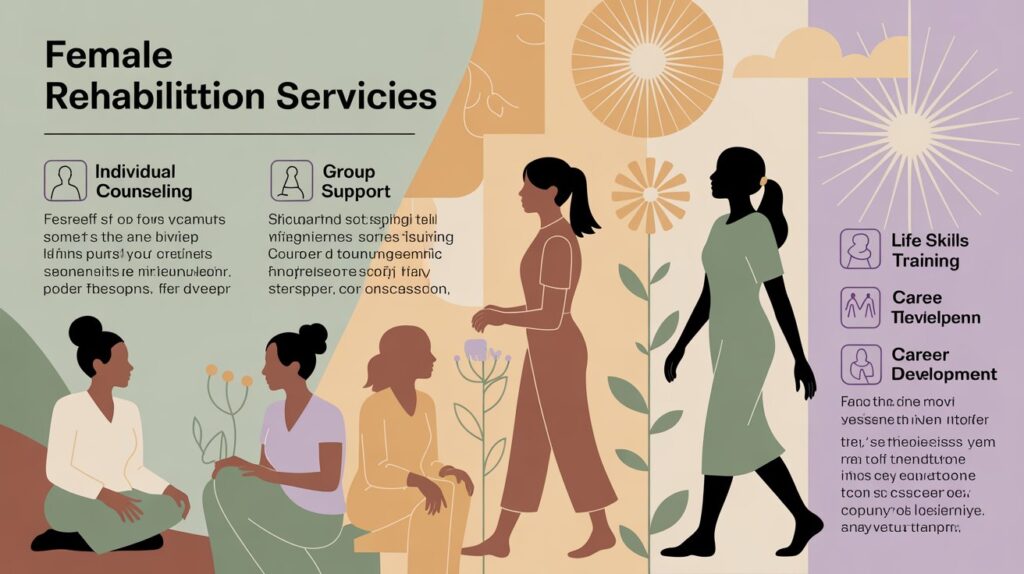
Practical skills development prepares women for independent living and self-sufficiency supporting long-term recovery sustainability beyond treatment. Financial literacy training teaches budgeting, saving, and money management skills often underdeveloped due to addiction. Job readiness programs develop resume writing, interview skills, and workplace behavior supporting employment success. Educational opportunities help women continue or complete interrupted education improving future prospects significantly. Parenting skills training supports healthy child development and positive mother-child relationships. Communication and assertiveness training helps women express needs, set boundaries, and build healthy relationships. These practical skills create confidence and capability supporting lasting recovery and independence.
Relapse Prevention for Women
Women face specific relapse triggers requiring targeted prevention strategies and coping mechanisms for long-term success. Relationship stress and family conflicts represent common triggers for women requiring healthy communication and boundary skills. Negative emotions including guilt, shame, and low self-worth need processing and management strategies. Social isolation and loneliness trigger use for many women requiring strong support network development. Physical pain or health issues may trigger prescription medication misuse requiring alternative pain management. Trauma anniversaries or reminders can precipitate cravings requiring advance planning and coping strategies. Developing personalized relapse prevention plans addressing these specific vulnerabilities proves essential.
Aftercare and Continuing Support
Recovery continues long after completing primary treatment requiring ongoing support ensuring sustained sobriety and wellness. Outpatient therapy provides continued professional support while women transition back to daily life responsibilities. Women’s support groups create safe spaces for sharing challenges and successes with others understanding recovery. Case management connects women with community resources including housing, employment, childcare, and healthcare services. Alumni programs maintain connections with former patients providing ongoing encouragement and mutual support. Family continuing care involves relatives in supporting long-term recovery while maintaining healthy boundaries. This comprehensive aftercare significantly improves outcomes compared to treatment without follow-up support.
Addressing Shame and Stigma
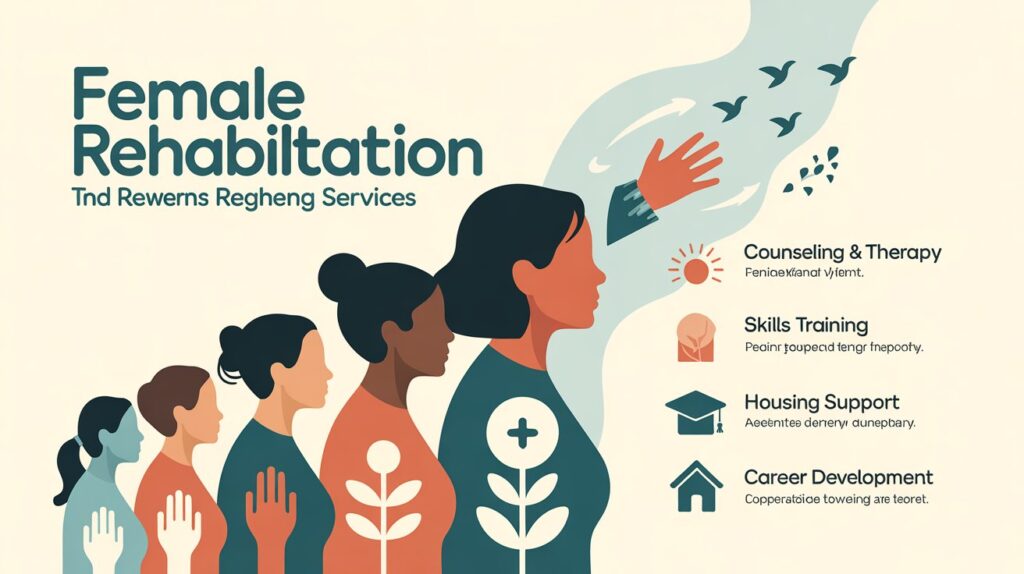
Social stigma surrounding women’s addiction proves particularly severe requiring therapeutic approaches specifically addressing shame. Pakistani society often judges women with addiction more harshly than men, creating intense shame preventing help-seeking. Therapeutic processing of shame helps women separate their worth from their addiction recognizing disease nature. Building self-compassion through therapy replaces harsh self-criticism that maintains addictive cycles and suffering. Peer support from other women who understand addiction reduces isolation and normalizes recovery experiences. Education helps families understand addiction as medical condition rather than moral failing reducing family stigma. Our female rehabilitation services Lahore create judgment-free environments where women find acceptance and healing.
Why Choose Solace Rehab
Among Lahore’s treatment providers, Solace Rehab distinguishes itself through exceptional women’s programming and proven outcomes. Specialized female treatment team understands women’s unique addiction challenges and recovery needs intimately. Comfortable, private women-only facilities create safe healing environments respecting privacy and cultural values. Evidence-based therapies combine international best practices with cultural sensitivity appropriate for Pakistani women. Individualized treatment plans address each woman’s unique circumstances, trauma history, and family dynamics. Comprehensive services from detox through aftercare ensure continuity of care supporting long-term success. Our track record speaks through numerous women who’ve rebuilt their lives through our programs. Accessible payment options make quality treatment available to more families.
Conclusion
Finding specialized female rehabilitation services Lahore represents the crucial first step toward recovery for women struggling with addiction. Solace Rehab provides comprehensive, gender-specific treatment addressing the unique physical, psychological, and social factors affecting women’s addiction and recovery. Our trauma-informed approach, women-only environments, dual diagnosis expertise, cultural sensitivity, and holistic wellness programs create optimal conditions for lasting transformation. From medically supervised detoxification through intensive therapy and robust aftercare planning, we walk alongside women throughout their healing journey with expertise, respect, and genuine compassion. If addiction affects you or a woman you love, contact Solace Rehab today. Our specialized female rehabilitation services Lahore provide the safe, supportive environment where women find healing, hope, and the strength to reclaim their lives.
Frequently Asked Questions
Q1: Why do women need gender-specific rehabilitation services? Women experience addiction differently due to biological, psychological, and social factors including higher trauma rates, co-occurring mental health disorders, and unique family responsibilities requiring specialized treatment approaches addressing these specific needs.
Q2: How long does treatment at female rehabilitation services Lahore typically take? Treatment duration varies by individual needs, typically ranging from 30-90 days for residential programs, followed by several months of outpatient therapy and support group participation for optimal long-term recovery outcomes.
Q3: Can mothers bring children to treatment? While our primary facility doesn’t provide on-site childcare, we work with families to arrange childcare services enabling mothers to fully participate in treatment; some programs offer family accommodations based on individual circumstances.
Q4: Is treatment confidential for women seeking help? Absolutely, we maintain strict patient confidentiality following medical privacy standards, ensuring all information remains completely private allowing women to seek help without fear of social stigma or family judgment.
Q5: What happens if a woman is pregnant and needs treatment? We provide specialized care for pregnant women including safe medical detoxification, pregnancy-compatible medications, prenatal care coordination, and maternal health education ensuring both mother and baby’s safety throughout treatment.