
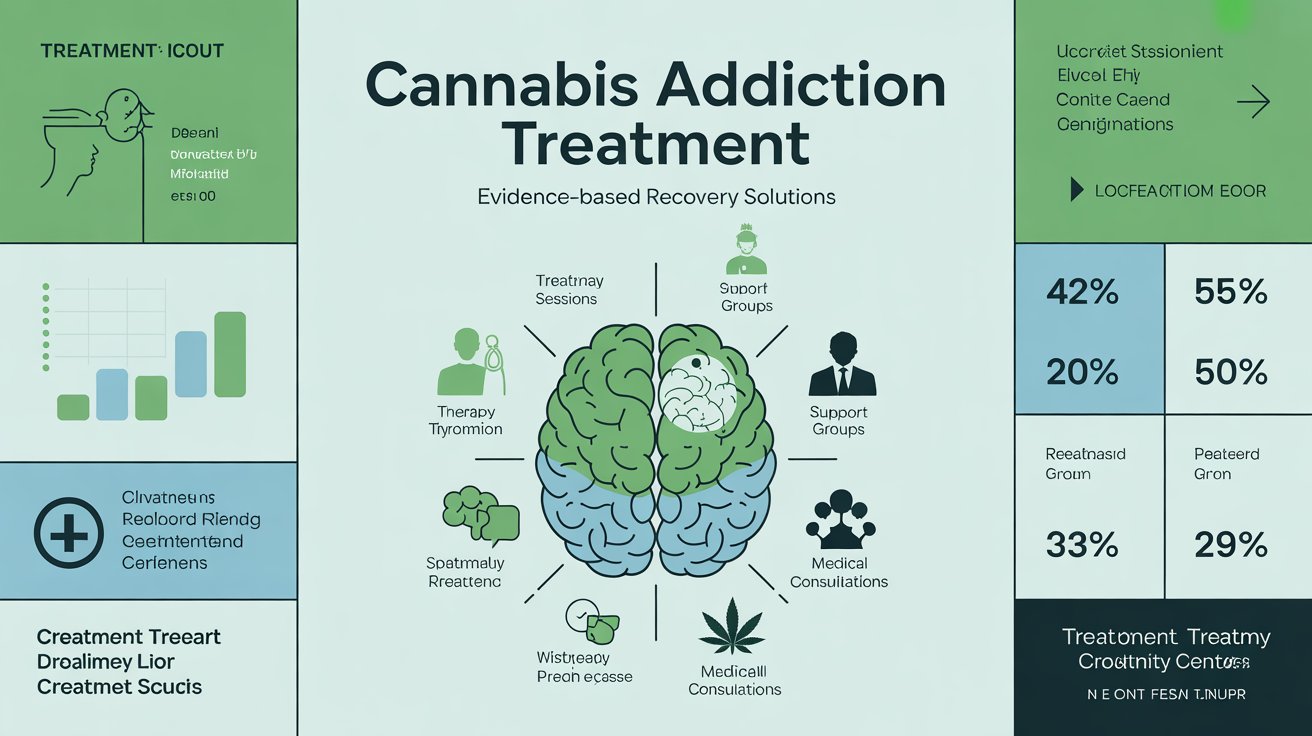
The use of marijuana has become alarmingly prevalent in the city of Lahore. It affects all classes of people. People think that marijuana is harmless because it is natural. But the truth is that it causes a serious addiction that ruins people’s lives.
Accessing effective cannabis addiction treatment in LHR is what makes all the difference between suffering and recovery. Solace Rehab Centre provides specialized services that cover all aspects of cannabis addiction.
This resource examines cannabis addiction, its destructive power, and the lasting impact of professional treatment.
Understanding Cannabis Addiction and Its Effects
Addiction to cannabis is a process that happens slowly and often catches the user by surprise. The drug works by flooding the user’s brain chemistry with dopamine. This results in feelings of pleasure that the user wants to experience again and again.
The use begins as a habit, but soon the individual finds himself or herself depending on it every day. The user requires cannabis in order to feel normal, to sleep, or to cope with stress. This indicates that addiction has taken over.
The consequences go far beyond the initial high. Memory is adversely affected by regular use. Concentration becomes almost impossible. The decision making faculties are affected.
The grades of students begin to fall. Professionals miss out on opportunities in their line of work. Relationships begin to fail as marijuana becomes the focal point of life.
Mental health issues arise quite often. Anxiety problems worsen instead of being alleviated. Depression becomes more severe and difficult to manage. Some susceptible people may even develop psychotic problems that need urgent attention.
The myth that cannabis is a help for mental health issues falls apart when faced with reality. The long-term prognosis always gets worse with continued use.
Physical and Psychological Consequences of Cannabis Abuse
Physical health suffers greatly due to the regular use of cannabis. Respiratory issues arise due to smoking. Bronchitis, coughing, and pulmonary infections become regular occurrences.
The heart rate and blood pressure rise considerably. This poses a serious threat to those who already have any cardiovascular problems. The immune system becomes weaker, and users fall ill easily.
The quality of sleep is affected, despite the fact that users believe that cannabis is helpful to them. It may be true that it helps them sleep, but it ruins REM sleep. This is the restorative phase of sleep that is very important for mental health.
Appetite gets disrupted. Users cannot eat without cannabis. When they attempt to stop, intense nausea and loss of appetite make withdrawal very uncomfortable.
The psychological impact is even more disastrous. The development of the brain gets affected, particularly in children. The executive functions of planning and controlling impulses get irreparably damaged.
Emotional regulation goes completely haywire. Users experience intense mood swings, irritability, and stress. They lose the ability to control their emotions without the drug.
Relationships begin to fall apart as the user becomes secretive and withdrawn. Trust is lost through deception and broken promises. Loved ones feel helpless as they watch their family member slip away.
The Professional Assistance in Recovery Through Cannabis Addiction Treatment in LHR
Professional treatment makes a huge difference in the recovery process compared to attempting to quit on one’s own. Drug rehabilitation in Lahore is designed to address all facets of addiction.
Treatment starts with assessment. Professionals assess the level of addiction, any mental issues, and the patient’s physical health. This builds awareness essential for treatment.
Having medical support during the withdrawal process is extremely helpful. Although withdrawal from cannabis is not a life-threatening situation, it is very uncomfortable. Feeling irritable, anxious, having trouble sleeping, and feeling depressed makes the first two weeks very difficult.
Medical staff at quality centers are available for symptom management and support. Withdrawal becomes manageable rather than intolerable.
Evidence-based therapies are the building blocks of treatment. Cognitive-behavioral therapy allows patients to identify triggers and learn how to cope with them. Motivational enhancement therapy enhances patients’ internal motivation to change.
Group therapy helps to overcome isolation and builds a community. Family therapy fixes broken relationships and teaches family members. These therapies offer skills needed for sobriety.
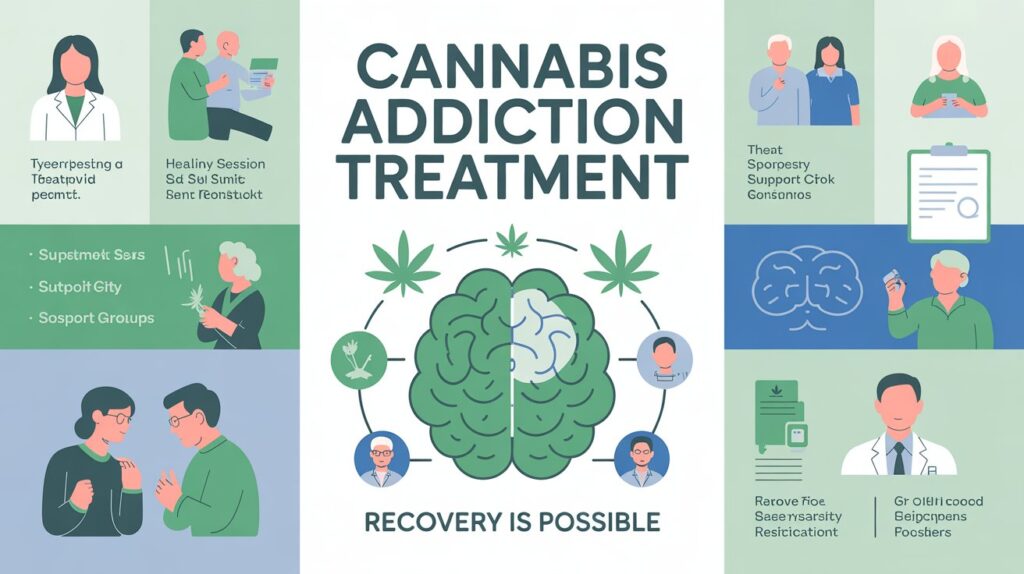
Why Choose Solace Rehab Centre in Lahore, Pakistan
Solace Rehab Centre has made its mark as a preferred addiction recovery solution in Lahore, effectively combining global standards with adapted care according to Pakistani culture.
The difference here is that of personnel. Medical physicians, professional psychologists, well-trained addiction counselors, and experienced nurses bring honesty and caring to the process.
It is definitely a ‘team effort’ that is required for each step for successful recovery. Trained experts work as one to make sure that each aspect of recovery process is accorded proper geltething
Their treatment model is based on viewing addiction as a whole person problem. By this, they mean that medical attention is provided to nurture physical health, evidence-based practices help to improve mental health, while culturally respectful practices are used to address spiritual issues.
The environment around the hospital matters as well. The hospital provides safe and clean accommodation spaces for the patients to focus on healing with no external aggregating factors. Clean environments and healthy foods make for a conducive healing environment.
Confidentiality is also upheld at all costs as it can remove the stigma that addiction has in Pakistani culture, as families can trust that confidentiality is maintained.
Individualized Recovery Intervention Schemes
No two individuals experience addiction in the same manner. Solace creates treatment plans tailored to meet the specific circumstances of each patient. Treatment begins individually with intake and evolves throughout treatment, based on progress and changing needs.
Some need immersive inpatient care with support around the clock, while others do better with outpatient options that allow them to keep up with their daily responsibilities. Solace remains flexible, offering choices to fit different circumstances.
Treatment intensity mirrors how severe the addiction is and what the past treatments have looked like. First-time patients may initiate treatment with lighter programming, while those with numerous relapses receive a more sound and focused intervention.
The approach is led by cultural and religious values. Therapists operate within a patient’s belief system rather than forcing some ‘one-size-fits-all’ Western model. Another positive factor brought in by cultural sensitivity would be that this can make the treatment more acceptable and hence more effective.
Life after Cannabis Addiction: Rebuilding Your Future
Recovery means more than just stopping the use of cannabis; it means healing the whole landscape of life that is damaged by addiction.
First, physical health is strengthened from the outset. Healthy food, consistent exercise, and proper sleep habits are basic, teaching patients how to leave the clinic with these habits in place.
Cognitive rehabilitation begins where the trail-off leaves the trail. Memory training, concentration drills, problem-solving exercises, and the likes build the skills, as long as the abstinence continues.
Skills Relevant to the Real World Financial literacy, time management, effective communication, and job market skills all come into play at this level. This establishes the foundation for self-reliant living and competency.
Students whose education had derailed have their educational options reopened. Career development assistance informs professionals of ways to realign their routes. Every individual’s plan is unique to their situation; they receive the proper assistance at the most opportune moment.
Mental Health & Emotional Healing
Cannabis addiction can co-exist with mental health issues and must be treated for both conditions simultaneously. Mental issues such as depression and anxiety can lead a person to substance abuse in the first place.
At Solace in Lahore, mental health treatment addresses all these complex issues that interlink with each other seamlessly. The psychiatrists at these centers evaluate and analyze each individual and prescribe them with any required medications if needed. The psychologists and counselors at these places incorporate therapies for trauma and depression as well as both depression and anxiety symptoms.
Emotion regulation is important for maintaining sobriety. Many marijuana users found their habit as a tool for dealing with awkward emotions. The treatment is based on effective methods for dealing with these issues.
Mindfulness, relaxation, and cognitive techniques can be helpful in coping with challenging emotions. Keeping emotions expressed through journaling, artwork, or other forms of expression can be a healthy release.
The aspect of self-compassion, forgiveness, is a vital part of the healing process. Many patients have feelings of guilt or shame that have not been dealt with, and this is exactly what the therapists assist with.
Recovering Relationships with Family and Society
Addiction leaves its marks on relationships, often deeply. Recovery is the active tending of those ties, mending hurt feelings, rebuilding trust, and opening lines of communication with loved ones.
Solace runs programs for families that explain addiction in plain terms, helping everyone understand what’s happening. Through structured sessions, the family learns healthier ways to support one another, and conversations begin to improve.
Family therapy can create an open forum to express pain and start healing. Patients work on communication and prove it through a progressive change in behaviour that they are seriously interested in recovery.
The social integration of these individuals back into life within the societal bonds of Pakistan is not short of challenges in itself, considering cultural stigma. Solace trains patients in social etiquettes and hands-on experiences, including role-playing of difficult situations, to instill confidence.
Often, social circles have to be restarted, which is usually a tough choice. Some old friends who continue using drugs are a high risk for relapse. Patients learn to spot healthy versus unhealthy relationships.
New, supportive relationships emerge as recovery-conscious people are added to one’s life. These positive relationships eventually replace the destructive relationships of active addiction.
Finding Meaning and New Goals
Addiction undermines what lends meaning to life. “Recovery,” then, is “a process of rediscovering the reasons why you are interested in living.”
This consists of exercises for value clarification. Individuals are able to identify what is important to them in their values, and the realization may occur that addiction caused a departure from their values in the past.
Going back to those establishes a reason to remain sober. These are the guiding points whenever the journey of recovery becomes rough.
Goal-setting enables people to imagine life after addiction. They examine learning, career, relationship, and personal development as areas of concentration for goal-setting.
“Clear direction gives hope, and this gives people a sense of purpose.”
Clear direction gives hope, and this gives people a sense of purpose For some, spirituality then can be an important resource for recovery. For Muslim patients, Islamic traditions are honored and incorporated. Prayer, reading the Quran, and being part of a religious community give life meaning and sustain sobriety.
Identifying Early Red Flags of Relapse
Relapse is not an overnight occurrence. It is the end result of a gradual drift that begins well before the cannabis use is resumed.
By recognizing such warning signs, you can act before a full-blown relapse takes hold. Here at Solace in Lahore, our treatment approach focuses on relapse prevention skills.
Common examples of these warning signs are looking back into the use of the drug with a tinge of the negative consequences that came with it. Feeling isolated from the support system could be one of the warning signs. Quitting the routine of recovery programs such as therapy will put one at risk.
The presence of additional stress that doesn’t have healthy ways of coping will inevitably trigger a return to the addictive behavior. The point at which the truth of what feelings are occurring and what’s happening tends to fade is an indicator of a problem. The occurrence of addictive thoughts requires prompt action.
The first change is physical and emotional. Signs of a potential crisis include sleep disturbances, loss of appetite or overeating, mood swings, depression, or even feeling anxious. Warning signs shown by the person’s behavior include poor work performance or reckless decision-making.
Everyone will figure out what the personal signals that are likely to occur for them are. A personal action plan addresses the signals that emerge right away.
Constructing Methods to Handle Triggers
Triggers can create intense cravings for drinking that threaten a sober life. Effective treatment requires understanding what your own triggers are and developing a clear plan for how to deal with them.
The triggers for relapse could be environments associated with past use and the people with whom one used the substance; this could evoke strong cravings. A social occasion where the possibility of marijuana’s presence exists could be risky for one.
Triggers for emotions include stress, boredom, loneliness, and anger. Surprise trigger: celebrations may trigger the desire.
Strategies to cope vary according to types of triggers. These are mainly environmental triggers. Here, strategies like avoidance become important. For example, you may have to skip engagements like parties where you know marijuana will be available, avoid the old places where you often use to be, as well as reduce interactions with your former associates who still use it.
“If you are unable to avoid the trigger, then you have to use cognitive techniques to ‘weather the storm’ of your craving. Contact a support person for immediate assistance, then remove yourself from the triggering environment as soon as possible.”
Emotional stimuli demand appropriate coping mechanisms. Exercise, meditative reflection, artistic pursuits, and supportive conversations with friends are all excellent substitutes. All of these help individuals personalize their own “coping toolboxes,” which are filled with a variety of strategies.
Building a Support Network for Long-Term Recovery
Recovery seldom flourishes in a vacuum. Erecting solid support structures provides the inspiration and responsibility to remain sober.
For most disorders, ongoing care after the initial treatment phase involves regular outpatient sessions and, in many cases, continuing medications. Periodic check-ins with the treatment team help monitor progress.
There are cannabis-specific support groups that enable peer understanding and shared experience. Certain Pakistani cities have formal programs like Narcotics Anonymous, and Solace helps in connecting people with the recovery communities too.
Family and friends who understand the journey of recovery provide another layer of necessary support. Patients learn to clearly state what they need from others, and with practice, asking for help becomes easier.
Professional and peer, family and community-a full spectrum of support-constitutes a durable safety net. Layered supports shield against relapse during difficult periods.
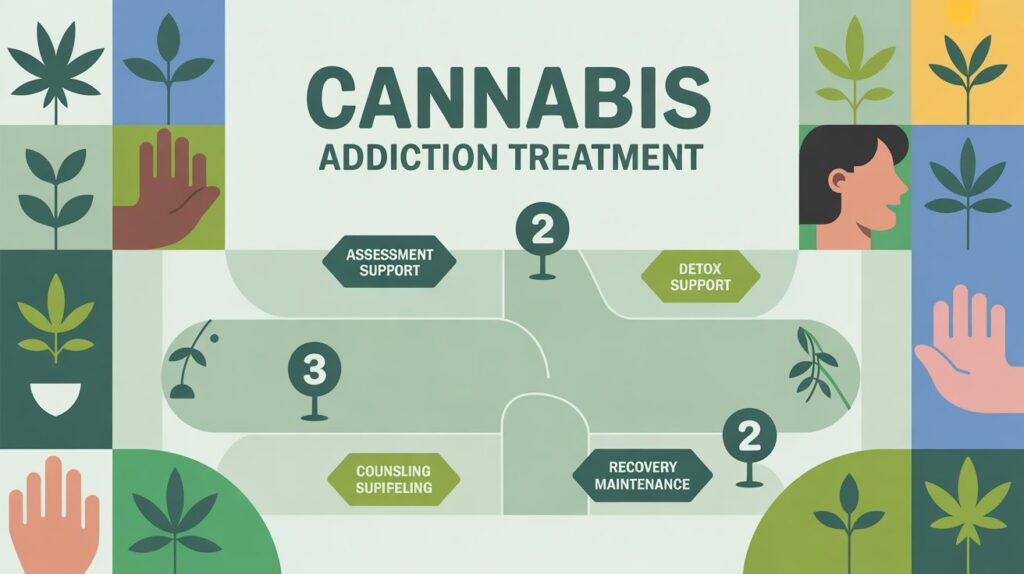
Why Choose Solace Rehab and Caring Centre in Lahore?
When comparing the different options available in Lahore to deal with cannabis addiction, Solace is quite distinctive in its comprehensive services. The success rate of the center is its biggest testimony—the success stories of patients who have shown real progress. Although the success rate may differ in various instances, it is clear that the approach of Solace helps increase the chances of success.
Also, the matter of accessibility should not be overlooked. Solace aims to provide quality care accessible to many families by providing various means for the families to pay for care while maintaining high standards and affordable charges. It is accessible to families from Punjab since Solace is in Lahore, thus receiving regular visits from families whose loved ones the facility cares for is key to the facility’s continued participation by families.
The team consists of qualified professionals with high professional standards, and all of them continually seek education updates with regard to the new research, new treatments, and so forth.
All Encompassing, Compassionate Care for Women
Issues faced by women have different dimensions and require gender-sensitive treatment. Solace provides specific programs for female patients in comfortable, women-only settings.
These programs are specifically focused on trauma patterns that are more common in women, including sexual abuse and domestic violence, with the most appropriate focus on reproductive health concerns. Female therapists provide care that shows understanding of gender-specific dynamics.
The programming takes into consideration childcare needs, family responsibilities, and social expectations and their impact on women differently from men. This holistic approach attends to every factor that can shape a woman’s recovery.
This will, in turn, reduce anxiety and shame through a nurturing, supportive environment. Many women find women-only settings more comfortable, which allows open participation and deeper therapy work.
Inpatient Care and Follow-Up Care Services
Solace offers both inpatient programs as well as outpatient services. Inpatient treatment removes patients from environments where cannabis use occurred.This denies the individual easy access to substances while support services are available to them. This form of support is crucial during the early stages of recovery since the individual is in a very fragile state. These programs last between 30 to 90 days.
Every day consists of individual, group, and education sessions, while wellness activities, meals, and downtime complete the busy schedule. Aftercare follows to maintain the momentum achieved during the completion of the treatment. Outpatient continues the treatment relationship while the patients apply the skills learned.
Ongoing support would consist of support groups, alumni connections, crisis intervention services that help cope with challenges that present themselves in early recovery in order to prevent relapse.
Transitional living arrangements are an option in between; sober living homes have the structure of support in order to help transition from inpatient visits into mainstream living but often yield better results for many addicts when implemented in this manner.
Conclusion
Cannabis addiction can wreak havoc in affected lives and requires proper treatment for lasting healing. Solace Rehab Centre provides comprehensive assistance for people dealing with cannabis addiction in LHR through professional expertise and genuine care. By addressing all aspects of addiction, patients can empower themselves for leading healthy lives. With proper assistance, freedom from addiction and a bright future can easily be achieved. Addiction affects not only the life of the addicted, but also the life of those who belong to his or her surroundings who have to live with the pain of addiction.
Since you or your loved ones have been affected by cannabis addiction, taking positive action by contacting Solace today will be the strongest move towards a happy and brighter life.
Frequently Asked Questions
Q1: How long does cannabis addiction treatment take at Solace Rehab Centre?
By the individual, it usually ranges between 30 to 90 days for the residential portion, but extended outpatient support may continue for months or years afterwards.
Q2: Is cannabis withdrawal dangerous or life-threatening?
While it could be uncomfortable and irritability, trouble sleeping, and mood swings may be experienced in withdrawal, it is not medically dangerous or life-threatening like other substances.
Q3: Can I work while undergoing treatment for cannabis addiction in Lahore?
Yes. Solace offers outpatient options where you can continue keeping your job as the treatment facility is available in the evenings or on weekends.
Q4: How does Solace safeguard confidentiality for addiction treatment?
Solace maintains strict privacy for patients, ensuring that all information is kept confidential according to medical standards of privacy, and understands the value of discretion within Pakistani society.
Q5: What makes Solace unique from other cannabis treatment facilities in Lahore?
It combines professional staff, evidence-based practices, and cultural sensitivity with individual treatment planning and intensive aftercare support.