
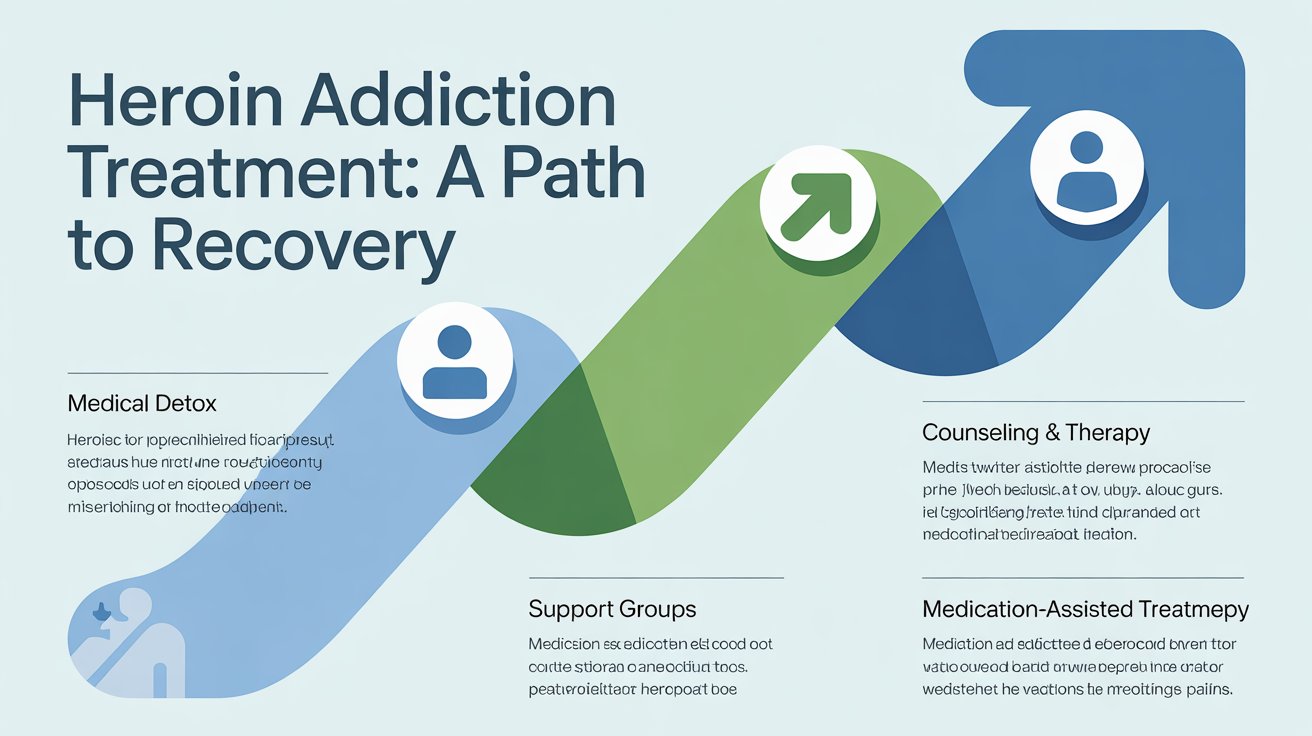
Heroin addiction is a life-destroying process of devastating speed and efficiency. This powerful opioid grips users both physically and psychologically, making escape seem impossible without professional intervention. Families in Lahore watching loved ones spiral into heroin dependency often feel helpless and desperate. Searching for quality heroin addiction treatment LHR becomes a matter of life and death.
At Solace Rehab Center, our treatment programs for heroin addiction are designed to help patients overcome the grip of heroin. We have a team of specialized healthcare professionals who understand the specific challenges that arise from heroin addiction and are dedicated to assist patients through each stage of the recovery process. This document aims to inform and enlighten the reader about the devastating impact of heroin addiction, the importance of seeking medical attention, the different treatment options for addiction, and how Solace Rehab Center can help patients escape the deadly grip of heroin.
Understanding Heroin’s Devastating Impact
Heroin is an illegal opioid derived from morphine causing intense euphoria followed by dangerous physical dependence. Users quickly develop tolerance requiring increasing doses to achieve desired effects. Physical addiction develops rapidly as the body adapts to heroin’s presence. Withdrawal symptoms are unbearably severe; this drives people to continue using despite devastating health and life consequences.
Why Heroin Proves So Addictive
Heroin consumption floods the brain with dopamine, a powerful rush of pleasure unlike anything else in the world. The brain’s reward system hijacks heroin, giving. Psychological dependence occurs as a result of heroin use as a means of escaping emotional pain. Physical dependence creates withdrawal symptoms so severe that users continue using simply to avoid feeling sick rather than seeking pleasure.
Recognizing Heroin Addiction Warning Signs
Physical signs include constricted pupils, drowsiness, slowed breathing, and track marks from injection. Behavioral changes like social isolation, secretiveness, financial problems, and neglecting responsibilities indicate addiction. Presence of paraphernalia such as needles, a burnt spoon, and small plastic bags may indicate heroin usage. Symptoms of withdrawal, such as severe muscle pain, nausea, and anxiety, are also evident when a dose is not taken.
The Dangers of Unassisted Withdrawal
Detox from heroin without proper medical supervision is extremely challenging and really risky. Pain, vomiting, diarrhea, and extreme cravings characterize heroin withdrawal. Medical problems can arise from dehydration and imbalance of salts and minerals resulting from detox and subsequent withdrawal. Relapse to usage before detox is complete occurs because of extreme discomfort, thereby discouraging many from detox. Under proper supervision, relapses are greatly reduced.
Medical Detoxification Process
Professional heroin addiction treatment LHR starts off with safe detoxification, where the addict is made as comfortable as possible throughout the process. At the start of the detoxification program, a heroin addiction treatment doctor assesses the addict’s level of addiction and develops a detox program suitable for the addict’s needs. Medications are also available to help the addict cope with heroin withdrawal symptoms, where the addict is given buprenorphine, a medication for heroin cravings. The addict is then closely monitored every minute of the 24-hour detoxification program to detect any complications and avert a critical condition.
Medication-Assisted Treatment Benefits
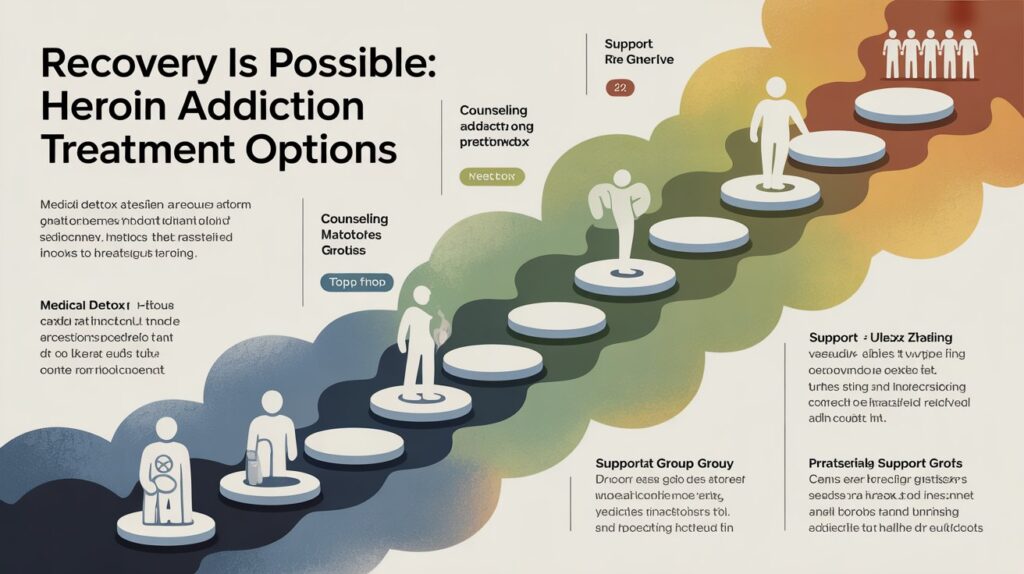
Specific medications support heroin recovery through the reduction of cravings and normalization of brain chemistry without the production of euphoria. Buprenorphine partially activates opioid receptors, which reduces withdrawal and cravings, while blocking heroin effects if used. Methadone replaces opioids for longer periods, thus allowing an individual to function in daily life while recovering. Naltrexone blocks all opioid effects, preventing relapse if heroin is used. The combination of these drugs with therapy produces significantly better outcomes than treatment without pharmaceutical support.
Behavioral Therapy Approaches
The interventions’ goal in psychology is focused on the thinking processes and behaviors that accompany an addiction despite the adverse outcomes. Cognitive behavior treatment helps in understanding triggers and how best to cope with the behavior. Motivational interviewing aims at increasing internal motivation and not being influenced by others or legal consequences. Contingency management offers rewards for the maintenance of recovery and reinforces good behavior. Group therapies help form communities that alleviate solitude and foster an environment of peer responsibility.
Addressing Underlying Trauma
Heroin addicts often experience unresolved traumatogenic issues, which perpetuate their chemical dependency through self-medication strategies. Individuals with histories of physical, sexual, and emotional abuse need therapy that focuses on treating trauma issues. EMDR therapy is useful in treating trauma issues, reducing the negative emotional charges associated with bad memories.
Therapists play an important role by creating safe therapeutic environments, which help patients work through their pain using strategies that do not involve chemicals. For successful recovery to occur, patients need to heal from trauma issues because pain is often a major cause of relapse.
Dual Diagnosis Treatment
Heroin addiction is often comorbid with other mental health disorders, for which treatment should be integrated to handle both conditions simultaneously. Many reported that their heroin use was preceded by a major depression, as they resorted to drugs in order to alleviate emotional pain. Anxiety disorders can be the driving force behind heroin addiction, as it is commonly used to provide temporary respite from all consuming fear and anxiety.
Trauma is usually linked to heroin addiction when people try to numb themselves from the disturbing symptoms of PTSD. Other mental health conditions are diagnosed through psychiatric evaluation and treated with appropriate medications and specialized therapy to complement addiction recovery.
Holistic Healing Approaches
Comprehensive recovery addresses physical, emotional, and spiritual wellness through various therapeutic methods other than just traditional treatment. Nutritious meals help restore health that has been lost due to suppressed appetites from heroin and poor self-care during active addiction.
Exercise programs strengthen bodies while releasing natural endorphins, improving mood without the use of substances. Yoga and meditation reduce stress, help with connecting the mind and body, and serve as healthy coping methods. Creative therapies afford outlets of expression for emotions hard to verbally articulate in traditional talk therapy.
Family Involvement and Education
Heroin addiction has ravaged many families necessitating healing for the entire family to recover from the addiction process. Through educational sessions, families are enlightened on addiction as a medical condition and not a moral issue; hence, collective blame is avoided for the families.
The addict may receive communication skills to rebuild relationships that may have been ruined by years of lies and broken trust caused by addiction. The family also gets to understand enabling behaviors that may unintentionally promote continued use of the drugs through misguided attempts to help the addict recover. Family therapy helps members vent their feelings and begin the process of mending relationships to support an addict in recovery.
Relapse Prevention Strategies
Heroin addiction carries high relapse risk requiring specific skills and planning for maintaining long-term sobriety. Understanding personal triggers people, places, emotions, situations associated with past use helps develop coping strategies. Warning signs like romanticizing past use or isolating from support systems signal danger requiring intervention.
Developing personalized coping toolboxes with multiple strategies for different trigger types proves essential. Creating strong support networks provides encouragement and accountability during vulnerable moments when cravings intensify.
Aftercare Planning and Support
Recovery is a prolonged process even after an individual has completed initial heroin addiction treatment LHR, which involves continuing care planning. An individual can receive outpatient therapy, as it enables him/her to receive professional assistance while he/she gains practice from the real world. Support groups, like Narcotics
Anonymous, offer an individual an opportunity to receive support from persons having a personal understanding of heroin addiction. Case management provides assistance in overcoming various challenges, like employment, housing, etc. An alumni program facilitates a recovery community, as it provides a way to maintain connections with former patients.
Managing Chronic Pain Safely
Many heroin users initially used prescription opioids for legitimate pain later transitioning to heroin when prescriptions ended. Chronic pain management without opioids requires alternative approaches including physical therapy and non-narcotic medications. Learning to distinguish between physical pain and psychological cravings proves essential for recovery.
Developing pain coping strategies that don’t involve substances prevents relapse triggered by pain episodes. Medical team coordination ensures pain receives appropriate attention without jeopardizing recovery through opioid re-exposure.
Overcoming Social Stigma
Society often judges people with heroin addiction harshly creating shame that prevents treatment seeking. Understanding addiction as brain disease rather than moral failure reduces internalized stigma and shame. Therapeutic processing of shame helps patients separate their worth from their addiction recognizing disease nature.
Peer support from others who understand addiction reduces isolation and normalizes recovery experiences. Education helps families understand addiction medically reducing family stigma that complicates recovery efforts.
Legal Considerations and Support
Many people seeking heroin treatment face legal consequences from drug-related charges requiring navigation of legal systems. Treatment programs can provide documentation for court proceedings demonstrating commitment to recovery.
Some legal systems offer treatment alternatives to incarceration for non-violent drug offenses. Coordination with legal counsel ensures treatment plans address court requirements when applicable. Focusing on recovery rather than legal consequences maintains appropriate priorities during vulnerable treatment periods.
Why Choose Solace Rehab Center
Among Lahore’s treatment providers, Solace Rehab Center distinguishes itself through comprehensive heroin addiction treatment LHR and proven outcomes. Our experienced medical team specializes in opioid addiction providing expert detoxification and medication management. Evidence-based therapies combined with holistic approaches address all recovery dimensions.
Comfortable, confidential facilities create safe environments where patients focus entirely on healing. Individualized treatment plans address each person’s unique circumstances, trauma history, and recovery needs. Our track record demonstrates successful heroin addiction recovery for numerous patients who’ve rebuilt their lives.
Conclusion
Finding effective heroin addiction treatment LHR represents the crucial first step toward breaking free from this devastating addiction. Solace Rehab Center provides comprehensive, evidence-based treatment addressing heroin addiction’s physical, psychological, and social dimensions through personalized care from experienced professionals. Our medical detoxification, medication-assisted treatment, behavioral therapies, trauma-focused care, and robust aftercare planning create optimal conditions for lasting recovery.
From admission through years of continuing support, we walk alongside patients and families throughout their healing journey with expertise and genuine compassion. If heroin addiction affects you or someone you love, contact Solace Rehab Center today. Professional treatment provides the hope and help necessary for overcoming heroin’s deadly grip and reclaiming a healthy, meaningful life.
Frequently Asked Questions
Q1: How long does heroin detoxification take? Acute heroin withdrawal typically lasts 5-10 days with symptoms peaking around day 3-4, though some psychological symptoms persist weeks; medical supervision makes the process significantly more tolerable and safer than unassisted withdrawal attempts.
Q2: Is medication-assisted treatment necessary for heroin addiction? While not absolutely required, medication-assisted treatment dramatically improves success rates by reducing cravings and withdrawal severity; medications combined with therapy produce significantly better long-term outcomes than behavioral treatment alone for opioid addiction.
Q3: Can someone recover from heroin addiction completely? Yes, complete recovery is absolutely possible with proper treatment and ongoing support; thousands successfully overcome heroin addiction annually, though recovery requires commitment, professional help, and often long-term maintenance care including therapy and support groups.
Q4: How long does heroin addiction treatment take? Initial residential treatment typically lasts 30-90 days followed by months or years of outpatient care; heroin addiction requires extended treatment due to its severity, with ongoing support significantly improving long-term recovery success rates.
Q5: What happens if someone relapses during heroin recovery? Relapse is common and doesn’t equal failure; immediate intervention including potential treatment readmission addresses the relapse while adjusting treatment approaches; learning from relapse experiences strengthens long-term recovery when handled appropriately with professional support.