
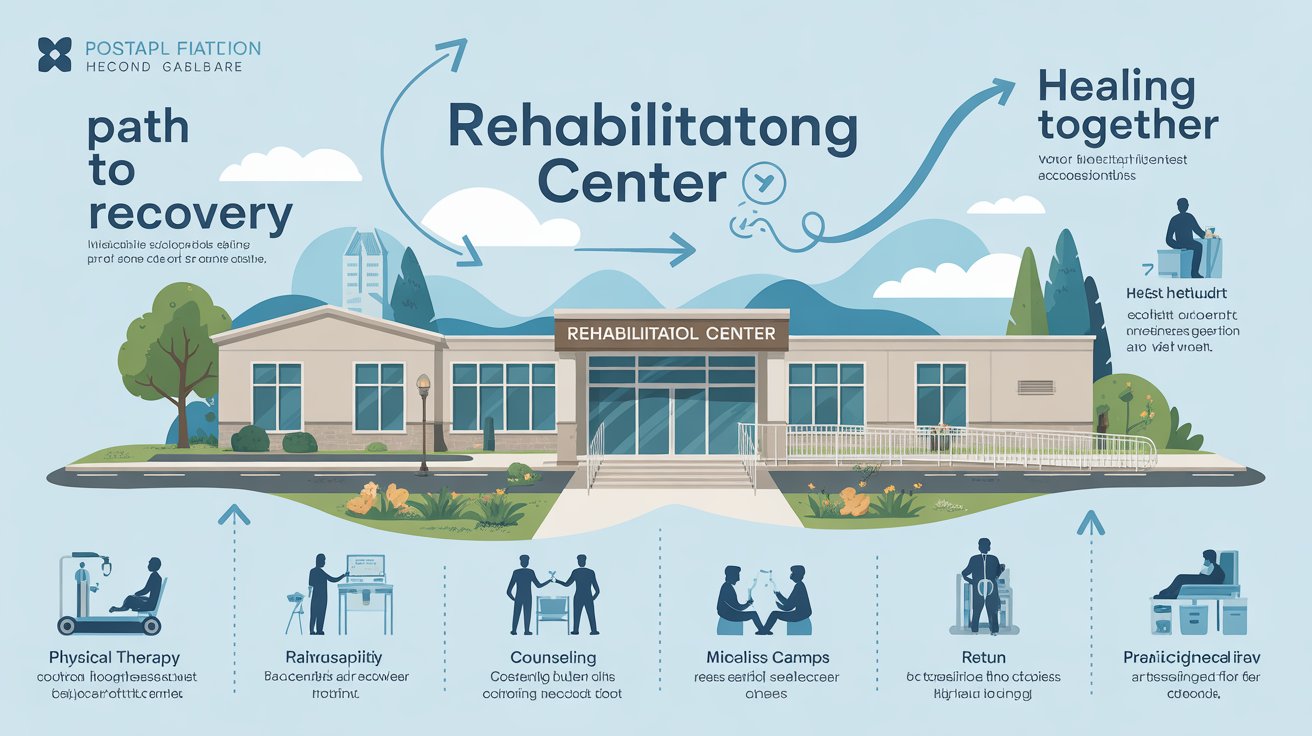
Addiction, mental health challenges, and substance abuse affect countless families across Lahore and Pakistan. Finding professional help can feel overwhelming, especially when dealing with the urgency of helping a loved one break free from dependency. A quality rehabilitation center in Lahore provides comprehensive treatment addressing not just the addiction itself but the underlying causes, co-occurring conditions, and life skills necessary for lasting recovery and personal transformation.
Solace Rehab has emerged as Lahore’s most trusted rehabilitation facility, offering evidence-based treatment delivered by experienced professionals in a compassionate, culturally sensitive environment. Our comprehensive approach combines medical expertise, psychological therapy, holistic wellness programs, and family support creating optimal conditions for sustainable recovery. This guide explores what rehabilitation centers do, services they provide, treatment approaches available, and how to choose the right facility for yourself or your loved one’s journey toward health and healing.
Understanding Rehabilitation Centers
Rehabilitation centers specialize in treating substance abuse, addiction, and related mental health disorders through structured programs. These facilities differ from general hospitals by focusing exclusively on addiction medicine and psychiatric care. They provide controlled environments preventing substance access during vulnerable recovery periods. Professional staff including psychiatrists, psychologists, addiction counselors, and nurses work collaboratively addressing all recovery aspects. Programs combine detoxification, behavioral therapy, medication management, and social rehabilitation.
Why Professional Treatment Matters
Attempting recovery without professional help rarely succeeds long-term despite best intentions and family support. Addiction is a chronic brain disease requiring medical and psychological intervention, not just willpower or moral strength. Professional rehabilitation center in Lahore facilities provide 24-hour supervision ensuring safety during dangerous withdrawal phases. Evidence-based therapies address root causes rather than just symptoms. Structured environments fill days with therapeutic activities preventing boredom that triggers relapse. Peer support from others facing similar struggles reduces isolation.
Comprehensive Assessment Process
Effective treatment begins with thorough evaluation understanding each patient’s unique situation and needs. Medical assessment examines physical health, substance use severity, and withdrawal risks requiring intervention. Psychiatric evaluation identifies co-occurring mental health disorders like depression or anxiety needing simultaneous treatment. Addiction history explores substances used, duration, previous treatment attempts, and family addiction patterns. Psychosocial assessment examines relationships, employment, education, legal issues, and living situations affecting recovery. This comprehensive understanding guides personalized treatment planning.
Medical Detoxification Services
Detoxification safely manages withdrawal symptoms when someone stops using substances after developing physical dependence. Medical supervision during detox ensures safety as potentially dangerous complications can arise unexpectedly. Medications ease uncomfortable symptoms anti-nausea drugs, sleep aids, and anxiety medications make withdrawal tolerable. Vital sign monitoring catches warning signs requiring immediate intervention. Different substances need different protocols; opioid, alcohol, and benzodiazepine withdrawal each require specific medical approaches. Professional detox typically lasts 5-14 days depending on substance type.
Evidence-Based Psychological Therapies
Mental health treatment forms rehabilitation’s core, addressing psychological aspects maintaining addiction despite negative consequences. Cognitive-behavioral therapy (CBT) helps identify triggers, challenge distorted thinking, and develop healthy coping strategies. Motivational interviewing explores ambivalence about change, strengthening internal commitment beyond external pressure. Dialectical behavior therapy (DBT) teaches emotion regulation, distress tolerance, and mindfulness crucial skills for maintaining sobriety. Group therapy creates supportive communities reducing isolation while building mutual accountability. Individual counseling provides confidential spaces exploring personal issues and trauma.
Dual Diagnosis Treatment
Most people with addiction also struggle with mental health conditions requiring integrated treatment addressing both simultaneously. Depression and anxiety frequently coexist with substance abuse, each worsening the other in destructive cycles. Bipolar disorder’s mood swings often drive self-medication attempts through drugs or alcohol. Post-traumatic stress disorder (PTSD) commonly leads to addiction as individuals seek relief from trauma symptoms. Our rehabilitation center in Lahore provides psychiatric evaluation, appropriate medications, and specialized therapies. This comprehensive approach produces better outcomes than treating conditions separately.
Family Therapy Programs
Addiction devastates entire family systems, not just individuals struggling with substance abuse and dependency. Educational sessions teach relatives about addiction as medical condition, reducing blame while promoting understanding. Communication workshops improve interactions damaged by years of lies and broken trust that addiction creates. Families learn identifying enabling behaviors that inadvertently support continued use giving money, making excuses, protecting from consequences. Setting healthy boundaries while maintaining loving support creates conditions where recovery flourishes. Family involvement significantly increases treatment success rates.
Holistic Wellness Approaches
Recovery encompasses more than stopping substance use it requires rebuilding overall wellness in multiple life dimensions. Nutritious meals reverse malnutrition common during active addiction, providing energy for healing and neurotransmitter production. Exercise programs strengthen bodies while releasing natural endorphins improving mood and reducing cravings naturally. Yoga and meditation reduce stress, improve mind-body connection, and provide healthy coping mechanisms for life challenges. Creative therapies like art and music offer emotional expression outlets for feelings difficult to verbalize in traditional therapy.
Relapse Prevention Training
Relapse represents common recovery challenges, not failures, requiring specific skills and strategies for successful navigation. Understanding triggers people, places, emotions, or situations associated with past use helps develop personalized coping strategies. Warning signs like romanticizing past use or isolating from support systems signal danger requiring intervention. Developing coping toolboxes with multiple strategies for different trigger types proves essential for long-term success. High-risk situation planning prepares patients for challenges they’ll inevitably face after leaving structured treatment. Ongoing therapy and support groups maintain skills and provide accountability during vulnerable periods.
Aftercare Planning Services
Recovery continues long after leaving residential treatment facilities, requiring comprehensive continuing care planning and support. Outpatient therapy provides ongoing professional support while patients practice recovery skills in real-world settings and situations. Support groups offer peer support from others who understand addiction personally, providing encouragement and practical guidance. Case management helps navigate practical challenges finding employment, continuing education, or securing stable housing arrangements. Alumni programs maintain connections with former patients, creating lasting recovery communities supporting long-term success. This multilayered aftercare significantly improves outcomes.
Cultural Sensitivity Practices
Effective treatment in Pakistan requires understanding Islamic values and local cultural norms while providing evidence-based care. Gender-segregated facilities honor cultural expectations around modesty and appropriate interactions between men and women. Staff fluent in Urdu and Punjabi communicate effectively without language barriers hindering therapeutic work and understanding. Prayer spaces and halal meals demonstrate respect for Islamic practices important to most Pakistani patients. Treatment approaches work within Pakistani family structures rather than imposing incompatible Western individualism. Confidentiality receives special emphasis given intense stigma surrounding addiction in local society.
Residential Treatment Programs
Inpatient programs provide intensive 24-hour care in controlled environments removing patients from triggering situations and people. Typical residential stays last 30-90 days depending on addiction severity and individual progress through treatment phases. Daily schedules include individual therapy, group sessions, educational programming, wellness activities, and personal reflection time. Comfortable accommodations create healing environments rather than institutional settings that increase stress and anxiety. Structured programming prevents boredom while building healthy routines patients continue after discharge. This immersive approach produces strong foundations for long-term recovery.
Outpatient Treatment Options
Outpatient programs allow patients maintaining work or family responsibilities while receiving professional addiction treatment regularly. Intensive outpatient programs (IOP) provide several hours of treatment multiple times weekly for those needing structure. Standard outpatient care includes weekly therapy sessions with counselors and periodic psychiatric appointments for medication management. Outpatient options work best for those with stable housing, strong support systems, and less severe addictions. Flexibility makes treatment accessible to more people who cannot leave jobs or families for residential care. Both residential and outpatient services complement each other.
Why Choose Solace Rehab
Among Lahore’s treatment options, Solace Rehab distinguishes itself through exceptional care quality and proven recovery outcomes. Board-certified psychiatrists and licensed psychologists provide expert medical and mental health treatment using latest evidence-based approaches. Experienced addiction counselors bring both professional training and genuine understanding of recovery challenges patients face daily. Comfortable facilities create healing environments where patients focus entirely on recovery without institutional atmosphere stress. Individualized treatment plans address each person’s unique needs rather than applying generic one-size-fits-all protocols. Comprehensive services from detox through aftercare ensure seamless care continuity. Our track record speaks through numerous successful recoveries.
Conclusion
Finding a trusted rehabilitation center in Lahore represents the crucial first step toward breaking free from addiction’s devastating grip on lives and families. Solace Rehab provides comprehensive, evidence-based treatment addressing all aspects of substance abuse and co-occurring mental health conditions through personalized care plans. Our experienced team, comfortable facilities, cultural sensitivity, and proven treatment approaches create optimal conditions for lasting recovery and personal transformation. From medically supervised detoxification through intensive therapy programs and robust aftercare planning, we walk alongside patients and families throughout their healing journey. If addiction affects you or someone you love, reaching out today demonstrates courage and begins the path toward health, hope, and renewed purpose for living.
Frequently Asked Questions
Q1: What services does a rehabilitation center in Lahore typically provide? Rehabilitation centers offer comprehensive addiction treatment including medical detoxification, psychiatric evaluation and medication management, individual and group therapy, family counseling, relapse prevention training, and continuing aftercare planning for long-term recovery success.
Q2: How long does rehabilitation treatment usually take? Treatment duration varies by individual needs and addiction severity, typically ranging from 30-90 days for residential programs, followed by several months of outpatient therapy and ongoing support group participation for optimal long-term outcomes.
Q3: Is rehabilitation treatment confidential? Yes, reputable rehabilitation centers maintain strict patient confidentiality following medical privacy standards, ensuring all information remains completely private except in rare situations involving imminent danger, allowing patients to seek help without social stigma.
Q4: Can family members visit during treatment? Yes, family involvement is encouraged through scheduled visiting hours, family therapy sessions, and educational programs that help loved ones understand addiction and learn how to provide effective support during the recovery process.
Q5: How much does rehabilitation treatment cost in Lahore? Treatment costs vary based on program type, duration, and services provided, but Solace Rehab offers various payment options and works with families to make professional addiction treatment accessible; contact us for specific pricing information.