
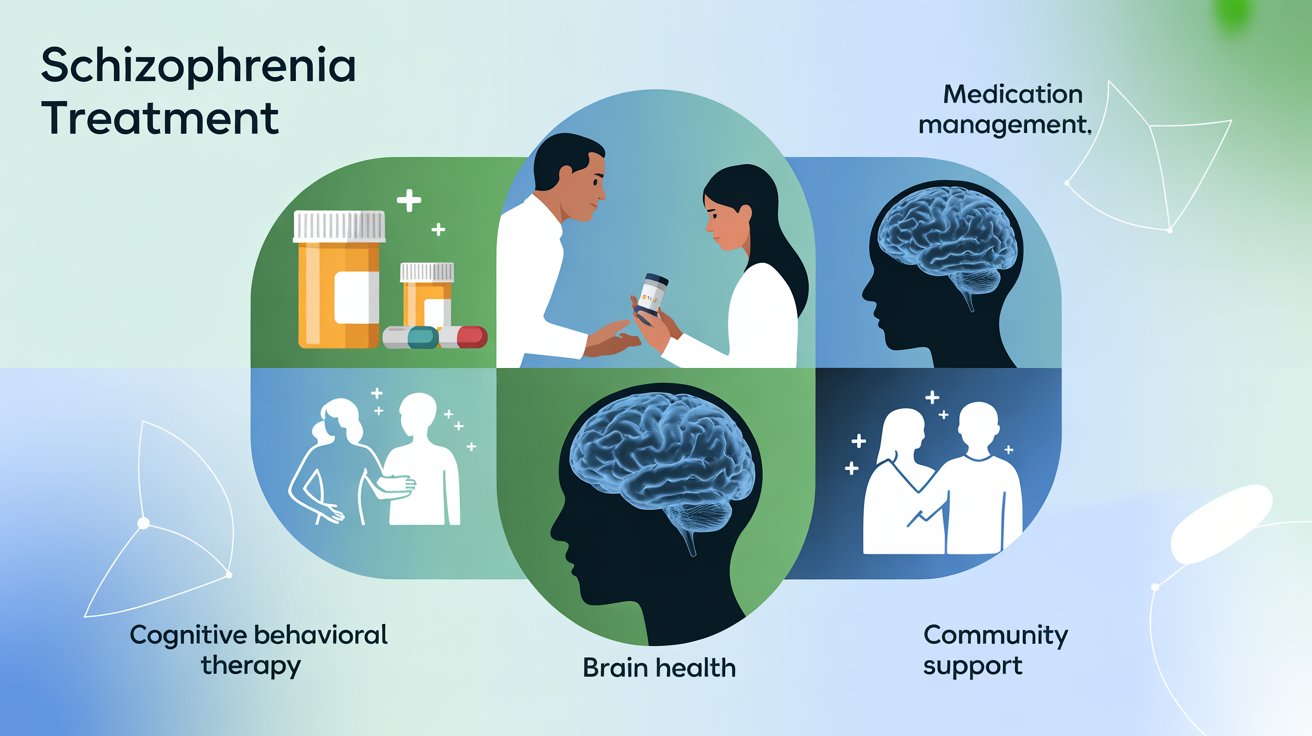
Schizophrenia is one of the most misunderstood and highly stigmatized mental health conditions affecting individuals and families across Lahore and Pakistan. When a loved one is diagnosed with schizophrenia, families often feel overwhelmed, frightened, and unsure where to turn for reliable care. Although schizophrenia is a serious and long-term mental illness, it is important to understand that it is treatable with the right medical and psychological support.
A specialized schizophrenia treatment center in LHR provides access to expert psychiatric care, evidence-based therapies, and structured support systems that help individuals manage symptoms and rebuild their lives with dignity and stability.
This guide explains what schizophrenia is, how professional treatment works, and what families should look for when seeking quality mental health care in Lahore.
Understanding Schizophrenia: Clearing Common Misconceptions
Schizophrenia is a severe mental health condition that affects a person’s thinking, emotions, and behavior. Individuals with schizophrenia may struggle to distinguish between what is real and what is not, leading to disruptions in daily functioning, relationships, and work life.
The condition most often appears during late adolescence or early adulthood, though it can develop at any age. Contrary to common myths, schizophrenia does not mean “split personality,” nor is it caused by weak character or poor upbringing. It is a complex brain disorder influenced by genetic, biological, and environmental factors.
Common Symptoms and Warning Signs
Schizophrenia symptoms are generally divided into three main categories: positive, negative, and cognitive symptoms.
Positive Symptoms
Positive symptoms refer to experiences added to normal functioning. These include hallucinations, most commonly hearing voices that others cannot hear. Delusions are also common, involving strong false beliefs such as paranoia or grandiosity that remain fixed despite evidence to the contrary.
Disorganized thinking may appear as confused speech, jumping between unrelated ideas, or speaking in ways that are difficult to understand. Some individuals also experience unusual motor behavior, ranging from agitation to catatonia, where responsiveness to the environment is reduced.
Negative Symptoms
Negative symptoms involve a loss or reduction of normal abilities. These include diminished emotional expression, lack of motivation, social withdrawal, reduced speech, and difficulty experiencing pleasure. These symptoms often interfere significantly with daily life and are sometimes mistaken for laziness or depression.
Cognitive Symptoms
Cognitive symptoms affect memory, attention, and decision-making. Individuals may struggle with concentration, planning, and processing information, making education, employment, and independent living challenging.
How Schizophrenia Impacts Families and Daily Life
Schizophrenia affects not only the individual but the entire family system. Parents, spouses, and siblings often experience emotional exhaustion, fear, guilt, and uncertainty. The unpredictable nature of symptoms creates ongoing stress, while social stigma in Pakistani society can lead to shame and isolation.
Without proper treatment, schizophrenia can severely disrupt education, employment, and relationships. In some cases, untreated individuals may face homelessness, legal difficulties, or repeated hospitalizations. Early and continuous professional care is essential to prevent these outcomes.
Why Professional Treatment Is Essential
Schizophrenia does not improve on its own and cannot be managed through willpower, spiritual practices alone, or family support without medical intervention. It is a neurological condition that requires the same seriousness as any other chronic illness.
A specialized schizophrenia treatment center in LHR offers structured, multidisciplinary care designed to manage symptoms, reduce relapses, and improve long-term functioning.
The Importance of Specialized Psychiatric Care
General physicians often lack the specialized training needed to diagnose and treat psychotic disorders effectively. Schizophrenia requires psychiatrists who understand medication management, symptom patterns, and the psychological and social dimensions of the illness.
Specialized centers use a team-based approach that includes psychiatrists, clinical psychologists, psychiatric nurses, social workers, and occupational therapists. This collaborative model ensures comprehensive care rather than relying solely on medication.
Comprehensive Treatment Approaches for Schizophrenia
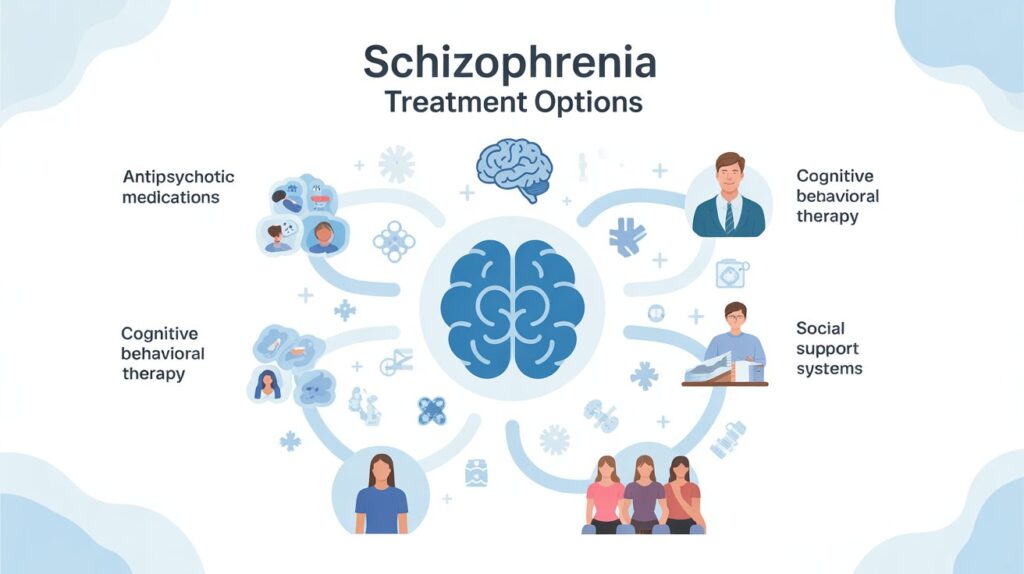
Effective schizophrenia treatment combines medical and therapeutic interventions tailored to each individual’s needs.
Antipsychotic Medications
Medication is the foundation of schizophrenia treatment. Antipsychotic drugs help regulate brain chemicals, significantly reducing hallucinations, delusions, and agitation. Both typical and atypical antipsychotics are used, with modern medications generally offering fewer side effects.
Treatment centers carefully monitor patients to find the most effective medication and dosage. Long-acting injectable medications are also available for individuals who struggle with daily medication adherence.
Psychotherapy and Counseling
Psychotherapy supports emotional coping and social functioning. Cognitive-behavioral therapy for psychosis helps patients manage persistent symptoms and reduce distress. Supportive therapy offers emotional stability, while family therapy educates relatives and improves communication.
Social skills training helps individuals regain confidence, improve relationships, and function more independently within the community.
Moving Toward Recovery and Stability
With early diagnosis, consistent treatment, and family support, individuals with schizophrenia can lead meaningful and productive lives. A trusted schizophrenia treatment center in LHR plays a critical role in guiding patients and families toward long-term stability, recovery, and hope.
Seeking professional help is not a sign of failure it is the first step toward healing.
Cognitive Remediation: Strengthening Mental Skills
Schizophrenia often affects important cognitive abilities such as memory, attention, problem-solving, and executive functioning. These cognitive challenges can interfere with education, employment, and independent living, even when other symptoms are well controlled.
Cognitive remediation is a specialized therapeutic approach designed to improve these mental skills. It typically uses computer-based exercises, structured tasks, and therapist-guided activities to strengthen attention, memory, and thinking processes. While cognitive remediation does not fully restore pre-illness functioning, it can lead to meaningful improvements that enhance daily functioning and overall quality of life.
By improving cognitive performance, individuals often gain better confidence, increased independence, and greater ability to participate in work, education, and social activities.
Rehabilitation and Recovery-Oriented Services
Recovery from schizophrenia does not mean a complete cure. Instead, recovery focuses on learning how to manage symptoms while leading a meaningful, purposeful, and productive life. Comprehensive mental health treatment in Lahore emphasizes rehabilitation services that support long-term stability and community integration.
Vocational Rehabilitation and Employment Support
Vocational rehabilitation helps individuals develop job-related skills, explore suitable employment options, and gradually return to the workforce. Even part-time or supported employment can provide structure, routine, financial independence, and social interaction—all of which play a vital role in recovery.
Meaningful work often improves self-esteem and gives individuals a sense of purpose, which positively impacts mental health.
Psychosocial Rehabilitation and Daily Living Skills
Psychosocial rehabilitation focuses on rebuilding essential life skills that schizophrenia may disrupt. These programs teach practical abilities such as budgeting, cooking, maintaining personal hygiene, managing time, and using public transportation.
By strengthening these skills, individuals gain greater independence and confidence in managing everyday responsibilities.
Supported Housing and Peer Support
Supported housing programs offer safe and supervised living environments for individuals who need ongoing assistance while maintaining as much independence as possible. These programs provide stability, routine, and access to mental health support.
Peer support groups also play an important role in recovery. Connecting with others who have lived experience of schizophrenia helps reduce isolation, encourages hope, and allows individuals to share coping strategies and recovery journeys in a supportive environment.
Inpatient vs. Outpatient Treatment: Understanding Your Options
Schizophrenia treatment is delivered in different settings depending on symptom severity, safety concerns, and individual needs. Understanding the difference between inpatient and outpatient care helps families make informed decisions.
When Inpatient Hospitalization Becomes Necessary
Inpatient psychiatric hospitalization at a schizophrenia treatment center in Lahore may be required during severe or crisis episodes. Common situations that indicate the need for inpatient care include active suicidal thoughts or behaviors, risk of harm to others, severe psychotic symptoms that impair basic self-care, a first episode of psychosis requiring comprehensive evaluation, or major medication changes needing close supervision.
Inpatient care provides 24-hour medical monitoring to ensure patient safety and stabilization. The structured environment reduces external stressors and allows clinicians to observe symptoms closely, adjust medications, and conduct thorough assessments. It also gives families much-needed respite during particularly challenging periods.
Hospital stays are typically short-term, often lasting several weeks, depending on individual progress. The goal is stabilization and preparation for a safe transition to outpatient or community-based care—not long-term institutionalization.
Outpatient Treatment for Long-Term Management
After stabilization, most individuals with schizophrenia continue treatment through outpatient services. Outpatient care allows individuals to live at home while receiving ongoing professional support.
Outpatient treatment usually includes regular psychiatric appointments for medication management, individual and group therapy sessions, family counseling, case management, and participation in rehabilitation programs. This approach promotes independence while ensuring continuous monitoring and support.
Intensive Outpatient Programs (IOPs)
Intensive outpatient programs offer a structured level of care between inpatient hospitalization and standard outpatient treatment. Patients attend therapy and rehabilitation sessions for several hours a day or multiple times per week while continuing to live at home.
IOPs are particularly helpful during transitional periods, providing intensive support without the need for 24-hour supervision.
What to Look for in a Schizophrenia Treatment Facility
Choosing the right treatment facility is one of the most important decisions families make when seeking care for a loved one with schizophrenia. The quality of treatment can significantly influence long-term stability, recovery, and quality of life. Families should carefully evaluate potential schizophrenia treatment centers using the following key criteria.
Qualified and Experienced Psychiatric Staff
The most critical factor in any schizophrenia treatment facility is the expertise of its clinical team. A reputable center should employ board-certified psychiatrists with specific experience in treating schizophrenia and other psychotic disorders. These specialists are trained to manage complex symptoms, medication adjustments, and relapse prevention.
Licensed clinical psychologists should be skilled in evidence-based therapies for psychosis, such as cognitive-behavioral therapy for schizophrenia and supportive psychotherapy. Psychiatric nurses must have specialized mental health training beyond general nursing, as they play a vital role in monitoring symptoms, medication effects, and daily patient care.
Families should also ask about staff-to-patient ratios. Adequate staffing ensures individualized attention, safety, and timely intervention. Additionally, inquire about ongoing training and continuing education, as mental health research and treatment approaches continue to evolve rapidly.
Evidence-Based Treatment Philosophy
High-quality treatment centers rely on scientifically supported methods rather than unproven or alternative practices. Facilities should clearly explain their treatment philosophy and demonstrate how it aligns with internationally recognized guidelines for schizophrenia care.
Be cautious of centers that promise quick fixes or claim to cure schizophrenia. While the condition can be effectively managed with proper care, there is currently no cure. Ethical treatment providers focus on symptom control, functional improvement, relapse prevention, and long-term recovery rather than unrealistic guarantees.
Family Involvement and Education
Effective schizophrenia treatment recognizes the essential role families play in recovery. Reputable psychiatric hospitals in Lahore actively involve families throughout the treatment process. This includes providing education about schizophrenia, regular updates on patient progress, and opportunities for family therapy.
Family involvement also extends to discharge planning. A quality facility prepares families for the transition back home by offering guidance on medication adherence, symptom monitoring, crisis management, and ongoing support strategies.
Cultural Sensitivity and Respect
In Pakistan’s social and cultural context, mental health treatment must be culturally sensitive and respectful of family values. A strong treatment facility understands the influence of cultural beliefs, stigma, and family dynamics on mental health care.
Staff should be trained to work respectfully within Islamic values and Pakistani family structures while maintaining medically sound and ethical treatment standards. This balance helps improve treatment acceptance, trust, and long-term adherence.
Aftercare and Continuing Support Services
Quality schizophrenia care does not end with symptom stabilization. Long-term success depends on consistent follow-up and ongoing support. Treatment centers should provide aftercare planning or connect patients with outpatient psychiatric services, therapy programs, medication management, and community support resources.
Additional services such as case management, peer support groups, and crisis intervention plans help reduce relapse risk and support sustained recovery. A facility’s commitment to aftercare reflects its dedication to long-term patient well-being, not just short-term improvement.
The Recovery Journey: What Families Should Expect
Understanding the recovery journey helps families maintain realistic expectations while holding onto hope during difficult times. Schizophrenia recovery is not a straight path, but with proper treatment and support, stability and improvement are achievable.
Early Treatment Phase: Stabilization and Safety
The initial weeks to months of treatment focus on stabilizing acute symptoms. During this phase, psychiatrists work carefully to adjust medications and provide intensive medical and psychological support. Symptoms such as hallucinations, delusions, or severe agitation may take time to improve and may not disappear immediately.
Progress during the early phase can feel slow and unpredictable, which can be emotionally challenging for families. Patience is essential, as the brain needs time to respond to treatment. Close monitoring and consistent follow-up during this stage lay the foundation for long-term recovery.
Stabilization and Rehabilitation Phase
Once acute symptoms begin to lessen, treatment shifts toward rehabilitation and skill development. This phase focuses on helping individuals regain abilities affected by the illness, such as communication, emotional regulation, and daily functioning.
Patients learn coping strategies to manage stress, recognize early warning signs, and handle ongoing symptoms more effectively. Rehabilitation also prepares individuals for reintegration into family life, education, work, and the community. This stage often lasts several months and is crucial for building confidence and independence.
Long-Term Maintenance and Ongoing Care
Schizophrenia is a chronic condition that requires ongoing management, even when symptoms are well controlled. Long-term care typically includes continued medication, regular psychiatric check-ups, therapy as needed, and healthy lifestyle habits.
While most individuals require lifelong treatment, the intensity of care usually decreases over time as they learn to manage their condition. With consistency and support, many people with schizophrenia lead stable, meaningful lives.
Understanding Relapse and How to Respond
Relapse, or the return of acute symptoms, is common in schizophrenia and often occurs when medication is stopped or during periods of high stress. Importantly, relapse does not mean treatment has failed.
Instead, relapse signals the need for treatment adjustments. Early recognition of warning signs—such as sleep disturbance, social withdrawal, or increased suspiciousness—allows for quick intervention. Prompt action can prevent full relapse and reduce the need for hospitalization.
Breaking the Stigma: Mental Health Awareness in Lahore
Stigma surrounding mental illness remains a major barrier to treatment in Pakistani society. Many families hide psychiatric conditions due to fear of judgment, discrimination, or shame. This secrecy delays treatment and isolates families when support is most needed.
Education and awareness are essential to reducing stigma. Understanding schizophrenia as a medical brain disorder—rather than a weakness, spiritual issue, or family curse—encourages acceptance and early intervention. Quality mental health centers in Lahore are actively working to educate communities and promote compassionate understanding.
Families Are Not Alone
Families should remember they are not alone in this journey. Schizophrenia affects approximately 1% of the global population, cutting across cultures, religions, and socioeconomic backgrounds. Seeking professional psychiatric care reflects responsibility, care, and strength—not failure.
With proper treatment, patience, and community support, recovery is possible, and hope remains very real.
Financial Considerations and Accessibility of Treatment
Financial concerns often prevent families from seeking timely and quality psychiatric care. The cost of schizophrenia treatment can vary significantly depending on the type of facility, level of care, services offered, and length of treatment.
Government psychiatric hospitals remain the most affordable option and serve a large portion of the population. However, they often face challenges such as overcrowding, limited resources, and long waiting periods. In contrast, private psychiatric facilities typically offer more personalized care, better staff-to-patient ratios, and a wider range of therapeutic services, though at higher costs. Some private centers help ease the financial burden by offering flexible payment plans or sliding-scale fees based on a family’s financial situation.
Families are encouraged to view schizophrenia treatment as an essential investment rather than an optional expense. The long-term costs of untreated schizophrenia—such as loss of productivity, emotional strain on families, social disruption, potential legal complications, and prolonged suffering—are far greater than the cost of treatment itself. While mental health insurance coverage remains limited in Pakistan, some employer-sponsored health plans may partially cover psychiatric care, making it important to explore all available options.
Hope for the Future: Advances in Schizophrenia Treatment
Although schizophrenia remains a complex and challenging condition, continuous research is leading to improved treatment options and better outcomes. Newer antipsychotic medications are being developed with fewer side effects and improved effectiveness, helping patients maintain long-term treatment adherence.
Advances in psychotherapy are also offering new hope. Modern therapeutic approaches focus on improving functioning, coping skills, and quality of life rather than symptom control alone. In addition, emerging brain stimulation techniques such as transcranial magnetic stimulation (TMS) are showing promise for individuals who do not respond well to traditional treatments.
Perhaps the most meaningful progress lies in growing awareness. Schizophrenia is increasingly recognized as a medical brain disorder, not a personal weakness or social failing. This understanding is slowly reducing stigma and encouraging earlier intervention. Recovery-oriented care models now emphasize hope, empowerment, independence, and meaningful participation in daily life, replacing older models that focused solely on symptom suppression.
Taking the First Step Toward Treatment
For families in Lahore whose loved one is showing signs of schizophrenia or who already have a confirmed diagnosis seeking professional psychiatric help is the most important step they can take. While the journey may feel overwhelming, proper treatment at a qualified schizophrenia treatment center in Lahore provides real hope for symptom control, functional improvement, and a better quality of life.
Early intervention is critical. The longer psychotic symptoms remain untreated, the more difficult recovery can become. Families should not wait for a crisis to occur. Addressing concerning behaviors and symptoms through timely psychiatric evaluation leads to better long-term outcomes.
Quality psychiatric care has the power to change lives. With appropriate treatment, many individuals with schizophrenia experience significant symptom relief, build effective coping strategies, maintain relationships, continue education or employment, and lead meaningful, fulfilling lives despite their diagnosis.
Conclusion
Schizophrenia brings major challenges for individuals and families. Professional psychiatric treatment at a specialized schizophrenia treatment center LHR offers paths to recovery and hope. Quality care includes antipsychotic medications, evidence-based therapy, family support, and rehabilitation services that address all aspects of this complex brain disorder. Families should look for facilities with qualified psychiatric staff, varied treatment methods, cultural awareness, and solid aftercare planning. Although schizophrenia needs long-term management, proper treatment allows many individuals to find meaningful recovery, manage symptoms well, and lead productive lives. Overcoming stigma and seeking professional help is the brave first step toward healing and a better future for loved ones facing this difficult mental health issue.
Frequently Asked Questions (FAQs)
Q1: Can schizophrenia be completely cured?
Currently, schizophrenia does not have a complete cure. However, with appropriate medication, therapy, and ongoing psychiatric care, the condition can be effectively managed. Many individuals with schizophrenia are able to lead stable, productive, and fulfilling lives with consistent treatment and support.
Q2: How long does treatment at a schizophrenia treatment center in Lahore typically last?
The duration of treatment varies depending on symptom severity and individual needs. Initial inpatient stabilization usually lasts 4 to 8 weeks, followed by long-term outpatient care. Ongoing management includes regular psychiatric follow-ups, medication monitoring, and therapy to reduce relapse risk and maintain stability.
Q3: Are antipsychotic medications safe for long-term use?
Yes, antipsychotic medications are generally safe for long-term use when prescribed and carefully monitored by qualified psychiatrists. Side effects may occur, but these can usually be managed through dosage adjustments, medication changes, and regular medical evaluations.
Q4: Will a person with schizophrenia be able to work or continue their education?
With effective treatment and proper support, many individuals with schizophrenia can pursue education, employment, or vocational training. Functional ability varies from person to person and depends on symptom control, treatment response, and access to rehabilitation and support services.
Q5: Is schizophrenia hereditary, and what causes it?
Schizophrenia has a genetic component, meaning individuals with a family history of the condition may have a higher risk. However, it does not result from genetics alone. The condition develops due to a complex interaction of genetic vulnerability, brain chemistry, and environmental factors such as stress or trauma.